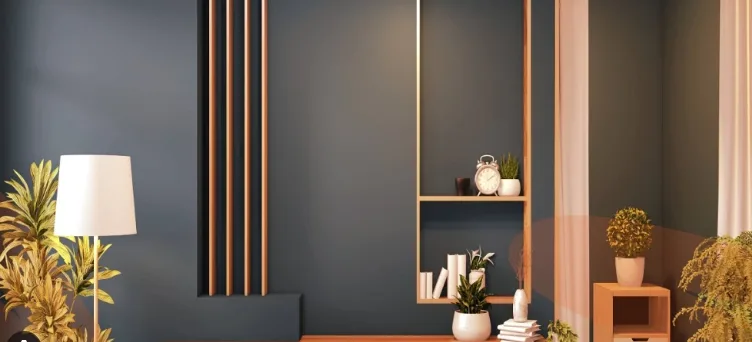
The Ultimate Guide to Elevating Your Living Space: How to Choose Home Accessories
Your home is more than just a place to sleep and eat; it is a reflection of your personality, your tastes, and your lifestyle. While furniture provides the foundation of a room, it is the home accessories that breathe life into the space. From textiles and lighting to decorative objects and wall art, these finishing touches transform a house into a curated home. However, navigating the vast world of home decor can be overwhelming. This comprehensive guide will walk you through the art of selecting the perfect home accessories to create a cohesive, functional, and stylish environment.
Understanding the Role of Home Accessories in Interior Design
Home accessories act as the "jewelry" of an interior design scheme. They are the elements that add texture, color, and personality to a room. Without them, a space can feel sterile or unfinished. When chosen intentionally, accessories serve several key functions:
- Visual Interest: They create focal points and draw the eye across a room.
- Texture and Depth: Mixing materials like velvet, wood, metal, and glass adds a tactile dimension to your living space.
- Personalization: Accessories are the easiest way to display your hobbies, travels, and personal history.
- Functionality: Many accessories, such as storage baskets, trays, and mirrors, serve a practical purpose while looking beautiful.
Essential Categories of Home Accessories
To build a balanced home, it is helpful to categorize your shopping list. Here are the primary pillars of home accessories that every decorator should consider:
1. Textiles and Soft Furnishings
Textiles are the easiest way to soften the hard lines of furniture. This includes throw pillows, blankets, rugs, and curtains. They are the primary tools for introducing color palettes and patterns into a neutral space.
2. Lighting Solutions
Beyond the main ceiling fixture, accent lighting is crucial. Table lamps, floor lamps, and decorative lanterns add warmth and create a cozy atmosphere during evening hours.
3. Wall Decor
Empty walls can make a room feel cold. Artwork, mirrors, wall hangings, and gallery walls add height and interest to a room, helping to ground the furniture below.
4. Decorative Objects and Sculptures
Vases, bowls, figurines, and books are the "filler" items that make a room feel lived-in. These are perfect for styling coffee tables, bookshelves, and mantels.
Buying Guide: How to Select the Right Pieces
Shopping for home accessories is an exercise in restraint and curation. Follow these guidelines to ensure you make purchases you will love for years to come.
The Rule of Three
When styling shelves or tables, odd numbers—particularly three—are more visually appealing to the human eye. Grouping items of different heights, shapes, and textures creates a balanced arrangement. For example, pair a tall vase, a small candle, and a stack of books.
Considering Scale and Proportion
One of the most common mistakes in home decor is buying accessories that are too small for the space. A tiny picture frame on a massive wall will look lost, while a giant sculpture on a small side table will look cluttered. Always measure your surfaces before you shop.
Material Cohesion
While you don't need everything to match, your accessories should "talk" to each other. If you have a modern, industrial aesthetic, focus on metals, concrete, and clean lines. If you prefer a bohemian style, opt for natural fibers like rattan, jute, and linen.
Comparison Table: Choosing Materials Based on Lifestyle
| Material | Best For | Maintenance Level | Vibe |
|---|---|---|---|
| Glass/Acrylic | Small rooms, modern aesthetics | High (shows fingerprints) | Sleek, airy, invisible |
| Natural Wood | Scandi, rustic, traditional | Low | Warm, organic, grounding |
| Metals (Brass/Steel) | Industrial, glam, contemporary | Medium | Sophisticated, edgy |
| Textiles (Wool/Cotton) | Living rooms, bedrooms | Medium (needs cleaning) | Cozy, comfortable, soft |
Current Trends in Home Accessories
While classic pieces are timeless, incorporating current trends can keep your home feeling fresh. As of recent seasons, the focus has shifted toward:
- Biophilic Design: Bringing the outdoors in. This includes potted plants, botanical prints, and organic, irregular shapes that mimic nature.
- Sustainable Materials: Shoppers are increasingly favoring accessories made from recycled glass, reclaimed wood, and organic cotton.
- Bold Color Pops: After years of "all-neutral" interiors, there is a resurgence of vibrant accent colors like cobalt blue, terracotta, and emerald green.
- Artisanal Craftsmanship: Hand-woven baskets, hand-thrown pottery, and items that show the "mark of the maker" are highly valued for their unique character.
Tips for Styling Your Accessories Like a Pro
Knowing what to buy is only half the battle; knowing how to display it is the other. Use these professional tips to elevate your home:
1. Create Negative Space
Don't fill every square inch of your surfaces. Negative space (empty areas) allows the eye to rest and makes the pieces you have chosen stand out more prominently.
2. Vary Heights
A flat display is a boring display. Always incorporate varying heights to create a dynamic visual landscape. Use stacked books or decorative boxes to give shorter items a "lift."
3. Edit Ruthlessly
If you find that your room feels cluttered, remove everything and start fresh. Add items back one by one, stopping when the room feels balanced. Sometimes, removing one accessory is the best way to improve a room.
4. Layering
Layering is key in interior design. Place a smaller frame in front of a larger piece of art, or drape a throw blanket over the arm of a chair. These overlapping layers add depth and complexity to a room.
Shopping Smart: Investing vs. Saving
You don't need to spend a fortune to have a stylish home, but knowing where to invest is a key skill.
Where to Invest: Spend your budget on "anchor" accessories. A high-quality, large-scale rug, a significant piece of art, or a statement mirror will define the room. These are items that can move with you and remain relevant for decades.
Where to Save: Feel free to save on smaller, trend-driven items. Decorative bowls, candle holders, and seasonal throw pillows can be found at more affordable price points. Since these items are easily swapped out, you don't need them to be "heirloom quality."
Conclusion
Home accessories are the most powerful tools in your interior design arsenal. They provide the opportunity to tell your story, express your creativity, and ensure your home is a comfortable sanctuary. By focusing on scale, texture, and personal meaning, you can curate a space that feels intentional and inviting. Remember that your home is a work in progress—don't be afraid to experiment, swap things around, and let your decor evolve as you do. Start small, stay true to your personal aesthetic, and enjoy the process of turning your living space into a true reflection of yourself.