The Ultimate Guide to Elevating Your Living Space with Home Accessories
Transforming your house into a cozy, stylish, and functional home is a journey that goes beyond furniture. The true magic often lies in the details – the carefully chosen home accessories that reflect your personality, enhance your comfort, and elevate your everyday living. This comprehensive guide will walk you through everything you need to know about selecting, styling, and integrating home accessories to create a space you truly love.
Understanding the Power of Home Accessories
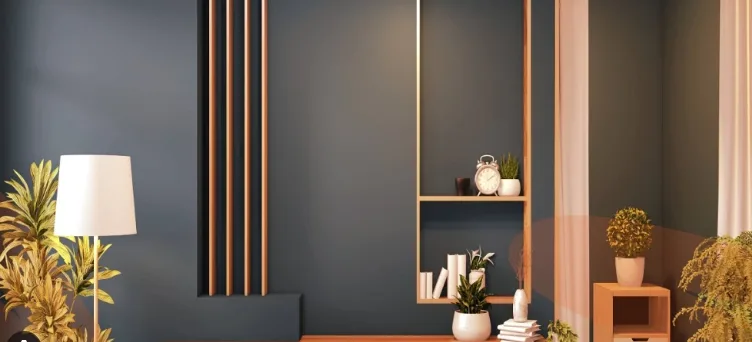
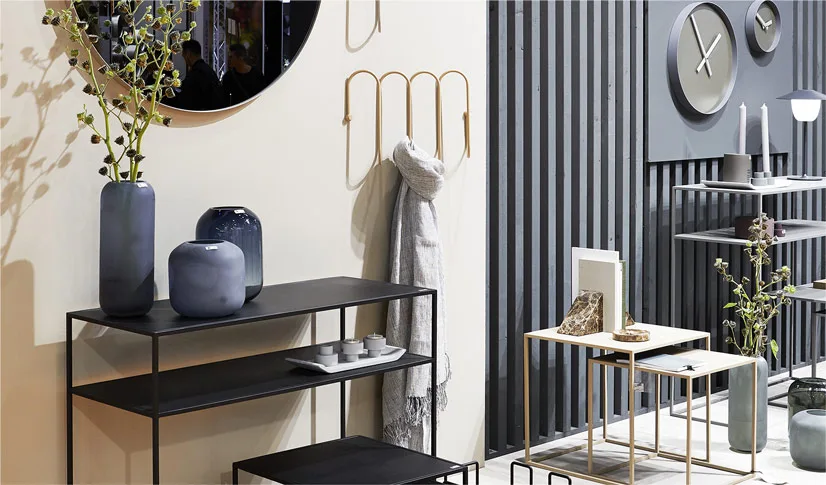
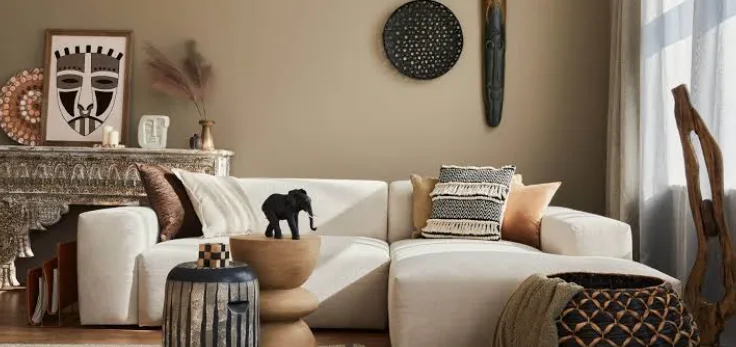
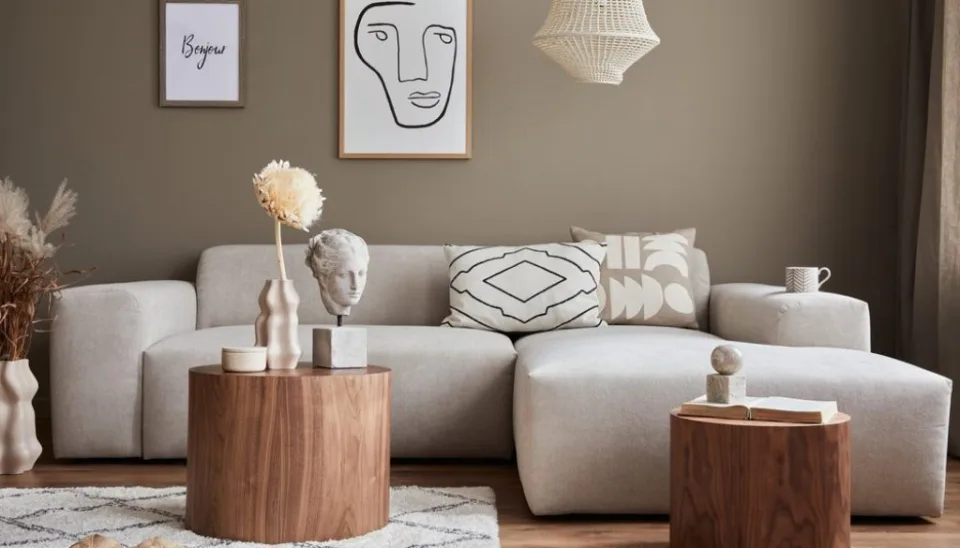
Home accessories are more than just decorative items; they are the finishing touches that breathe life into a room. They can set the mood, introduce color and texture, organize your belongings, and make your space more inviting. From the practical to the purely aesthetic, these elements play a crucial role in defining your home's character and functionality.
What Exactly Are Home Accessories?
The term "home accessories" is broad, encompassing a wide array of items that complement your primary furniture and décor. This includes, but is not limited to:
- Textiles: Throw pillows, blankets, rugs, curtains, tablecloths, and runners.
- Decorative Objects: Vases, sculptures, picture frames, candles, decorative trays, and figurines.
- Lighting: Table lamps, floor lamps, accent lights, and string lights.
- Wall Decor: Artwork, mirrors, tapestries, and shelves.
- Functional Decor: Storage baskets, decorative boxes, coasters, and servingware.
- Greenery: Potted plants, artificial plants, and floral arrangements.
Why Are Home Accessories So Important?
The significance of home accessories can be broken down into several key areas:
- Personalization: They are the easiest way to inject your unique style and personality into a space.
- Functionality: Many accessories serve practical purposes, such as providing light, storage, or comfort.
- Aesthetics: They add visual interest, color, texture, and depth, making a room feel more complete and inviting.
- Mood Setting: Lighting, textiles, and scents can dramatically influence the atmosphere of a room.
- Budget-Friendly Updates: Accessories are often more affordable than major furniture pieces, making them ideal for refreshing your décor without a complete overhaul.
- Layering and Depth: They allow you to build layers of interest, creating a more dynamic and sophisticated look.
Key Categories of Home Accessories and How to Choose Them
Navigating the vast world of home accessories can feel overwhelming. Let's break it down by category to help you make informed decisions.
Textiles: The Soft Touch of Comfort and Style
Textiles are perhaps the most versatile and impactful category of home accessories. They add warmth, color, pattern, and texture, instantly transforming the feel of a room.
Throw Pillows: Versatile Accents
Throw pillows are the workhorses of home décor. They can add a pop of color, a touch of luxury, or a cozy feel to sofas, armchairs, and beds.
- Material Matters: Consider materials like cotton, linen, velvet, faux fur, or wool, depending on the desired look and feel. Velvet adds luxury, linen offers a casual elegance, and faux fur brings ultimate coziness.
- Size and Shape: Mix and match sizes and shapes for visual interest. Larger pillows provide support, while smaller ones are purely decorative.
- Color and Pattern: Use pillows to introduce accent colors or patterns. Solid colors can tie a room together, while bold patterns can be a focal point.
- Placement: Arrange pillows symmetrically for a formal look or asymmetrically for a more relaxed vibe.
Blankets and Throws: Cozy Companions
A soft throw blanket draped over a sofa or armchair invites relaxation and adds a layer of warmth and texture.
- Material: Opt for soft, inviting materials like chenille, wool, cashmere, fleece, or chunky knits.
- Weight: Consider the climate and season. Lighter throws are perfect for warmer months, while heavier ones offer extra warmth in winter.
- Color and Pattern: Choose a throw that complements your existing décor or acts as a statement piece.
- Styling: Drape it casually over the back of a sofa, fold it neatly at the foot of a bed, or place it in a decorative basket.
Rugs: Anchoring Your Space
Rugs define zones, add warmth underfoot, and introduce color and pattern to your floors.
- Size is Crucial: Ensure the rug is appropriately sized for the space. In a living room, at least the front legs of your main furniture should rest on the rug. In a dining room, the rug should be large enough for chairs to remain on it even when pulled out.
- Material: Natural fibers like wool, cotton, jute, and sisal offer durability and a natural aesthetic. Synthetic materials like polyester and nylon are often more stain-resistant and budget-friendly.
- Pile Height: Low-pile rugs are easier to clean and suitable for high-traffic areas, while high-pile or shag rugs offer more comfort and a luxurious feel.
- Pattern and Color: A patterned rug can add visual interest to a neutral room, while a solid-colored rug can ground a space with many different elements.
Decorative Objects: The Art of Personal Expression
These are the items that tell your story and add personality to your shelves, tables, and mantels.
Vases: Vessels of Beauty
Vases are not just for flowers; they can be decorative objects in themselves.
- Material: Glass, ceramic, metal, and wood offer different aesthetics.
- Size and Shape: Choose a size and shape that fits the scale of your surface and complements the overall style.
- Styling: Display them with or without flowers. Grouping multiple vases of varying sizes can create a striking arrangement.
Candles and Candle Holders: Ambiance Creators
Candles offer warmth, a soft glow, and often a delightful scent, enhancing the mood of any room.
- Scent: Choose scents that suit the room and your preference – calming lavender for the bedroom, invigorating citrus for the kitchen, or warm vanilla for the living room.
- Material: Paraffin, soy, beeswax, and coconut wax are common candle materials, each with different burning properties.
- Holders: Candle holders come in a vast array of materials and styles, from simple glass votives to ornate metal candelabras.
Picture Frames: Memories on Display
Picture frames are a classic way to showcase cherished memories and add a personal touch to your walls and surfaces.
- Material and Style: Wood, metal, acrylic, and ornate frames can all contribute to your décor.
- Gallery Walls: Create a curated look by arranging multiple frames of varying sizes and orientations.
- Consistency: Consider using frames of a similar material or color for a cohesive look.
Lighting: Illuminating Your Space
Lighting is crucial for both functionality and ambiance. Beyond overhead fixtures, accent lighting with accessories can dramatically change a room's feel.
Table Lamps: Task and Accent Lighting
Table lamps are perfect for reading nooks, bedside tables, and side tables, providing focused light and adding a decorative element.
- Scale: Ensure the lamp is proportional to the table it sits on. The shade should typically be as wide as or wider than the widest part of the lamp base.
- Style: From minimalist to ornate, choose a lamp that complements your room's aesthetic.
- Bulb Wattage: Select bulbs that provide the right amount of light for the task or mood.
Floor Lamps: Ambient and Task Lighting
Floor lamps can illuminate a larger area, provide reading light, or add a decorative vertical element to a room.
- Types: Arc lamps, torchiere lamps, and task floor lamps offer different lighting solutions.
- Placement: Position them next to a sofa, armchair, or in a corner to create a cozy reading spot or to brighten a dark area.
Wall Decor: Adding Dimension and Personality
The walls are a blank canvas waiting to be adorned. Wall accessories can make a significant impact on the overall design.
Artwork: The Heart of Your Walls
Art is a powerful way to express your style and add color, texture, and mood to a room.
- Subject Matter: Choose art that resonates with you, whether it's abstract, landscape, portrait, or photography.
- Size and Placement: Consider the size of the wall and the furniture below. A large piece can be a focal point, while a collection of smaller pieces can create a gallery effect.
- Framing: The frame can be as important as the artwork itself, so choose one that enhances the piece and your décor.
Mirrors: Expanding Space and Reflecting Light
Mirrors are functional and decorative, making rooms feel larger and brighter by reflecting light.
- Placement: Hang a mirror opposite a window to maximize light, or above a fireplace or console table as a statement piece.
- Frame Style: The frame can range from minimalist to ornate, so choose one that complements your décor.
Functional Decor: Style Meets Utility
These accessories are designed to be both beautiful and practical, helping you keep your home organized and clutter-free.
Storage Baskets and Boxes: Tidy Up in Style
Baskets and decorative boxes are excellent for storing everything from blankets and magazines to toys and remotes, keeping your space tidy and stylish.
- Material: Woven natural fibers (seagrass, rattan, jute), fabric, metal, and wood are popular choices.
- Placement: Use them on shelves, under coffee tables, or in corners to corral clutter.
Decorative Trays: Centralized Elegance
Trays are perfect for organizing and displaying items on coffee tables, ottomans, or bedside tables. They create a sense of order and add a decorative touch.
- Material: Wood, metal, mirrored, or woven trays can elevate the look of displayed items.
- Usage: Use them to group candles, remotes, small plants, or decorative objects.
Trends in Home Accessories
Staying updated with current trends can help you infuse your home with a fresh and modern feel. However, remember that timeless pieces are always a good investment.
Sustainable and Eco-Friendly Materials
There's a growing demand for home accessories made from recycled, reclaimed, or sustainably sourced materials. Think bamboo, recycled glass, organic cotton, and natural fibers.
Biophilic Design Elements
Bringing the outdoors in is a significant trend. This includes incorporating more plants, natural materials like wood and stone, and nature-inspired patterns and colors.
Textural Variety
Layering different textures – from chunky knits and plush velvets to smooth ceramics and rough natural fibers – adds depth and visual interest to a room.
Bold Colors and Patterns
While neutrals remain popular, there's also a resurgence of bold colors and vibrant patterns in home accessories, allowing for more personal expression.
Artisanal and Handmade Pieces
There's an appreciation for unique, handcrafted items that tell a story and add a touch of authenticity to a home.
Tips for Styling Home Accessories Effectively
Simply buying accessories isn't enough; the way you arrange and style them makes all the difference.
The Rule of Three
Groupings of three items are visually appealing and create a sense of balance. This can be three vases of different heights, three candles, or three decorative objects.
Vary Heights and Shapes
Avoid placing items of the same height or shape together. Mix tall vases with shorter objects, round items with rectangular ones, to create visual dynamism.
Consider Scale and Proportion
Ensure your accessories are in proportion to the furniture and the room. A tiny vase on a large coffee table will look lost, while an oversized lamp on a small side table will overwhelm it.
Create Focal Points
Use accessories to draw the eye. A striking piece of art, a beautifully arranged vignette on a mantelpiece, or a vibrant rug can serve as a focal point.
Don't Forget Negative Space
It's as important to know what to leave out as it is to know what to include. Clutter can detract from the beauty of your accessories. Allow for breathing room around your decorative items.
Layering is Key
Build depth by layering. Place a decorative tray on a coffee table, then arrange smaller items like candles, a small plant, and a stack of books within the tray.
Tell a Story
Your accessories should reflect your interests, travels, and personality. Combine souvenirs from trips with family photos and items that hold sentimental value.
A Practical Checklist for Buying Home Accessories
Before you embark on your accessory shopping spree, consider this checklist to ensure you make smart choices.
| Consideration | Questions to Ask Yourself | Why It Matters |
|---|---|---|
| Functionality | Does this item serve a purpose beyond decoration? (e.g., storage, light, comfort) | Ensures your home is both beautiful and practical. |
| Style & Aesthetics | Does this item complement my existing décor and personal style? | Creates a cohesive and harmonious living space. |
| Color Palette | Does this item fit within my room's color scheme or add a desired accent color? | Prevents the space from looking chaotic or mismatched. |
| Material & Texture | Does the material and texture add to the room's overall feel (e.g., cozy, luxurious, natural)? | Enhances the sensory experience of the room. |
| Scale & Proportion | Is this item the right size for the space it will occupy? | Ensures the accessory looks balanced and not overwhelming or insignificant. |
| Quality & Durability | Is this item well-made and likely to last? | Saves money in the long run and maintains the aesthetic appeal of your home. |
| Budget | Does this item fit within my allocated budget for home accessories? | Prevents overspending and allows for thoughtful purchases. |
| Personal Connection | Does this item have a personal meaning or bring me joy? | Makes your home feel truly yours and adds sentimental value. |
Conclusion: Curate Your Comfort
Home accessories are the unsung heroes of interior design. They are the elements that allow you to infuse your personality, enhance functionality, and create a truly comfortable and inviting living space. By understanding the different categories, considering current trends, and applying thoughtful styling principles, you can transform your house into a home that reflects your unique taste and lifestyle. Don't be afraid to experiment, mix and match, and most importantly, choose items that bring you joy. Happy decorating!