The Ultimate Guide to Elevating Your Space: Choosing the Best Home Accessories for Your Style
Home accessories are the heartbeat of interior design. They are the finishing touches that transform a house into a home, injecting personality, warmth, and functionality into every room. Whether you are a minimalist looking for sleek accents or a maximalist who loves layers of texture, selecting the right decor can be overwhelming. With countless options available, understanding how to compare and choose the right pieces is essential for creating a cohesive and inviting living space.
In this comprehensive guide, we will explore the nuances of home accessories, comparing different categories and styles to help you make informed decisions that elevate your home’s aesthetic without sacrificing practicality.
Understanding the Role of Home Accessories
Before diving into comparisons, it is important to define what home accessories are. They are the non-essential, decorative items that complement your furniture. They include everything from throw pillows and blankets to vases, wall art, lighting fixtures, and rugs. While furniture provides the "bones" of a room, accessories provide the "soul."
Effective home styling relies on balancing form and function. A well-chosen accessory doesn't just look good; it serves a purpose—whether that is providing comfort, adding light, or organizing a space.
Comparison: Textural Accents vs. Functional Decor
When curating your home, you will often find yourself choosing between purely decorative pieces and those that serve a dual purpose. This is a common dilemma in interior design.
Textural Accents (The Aesthetic Boosters)
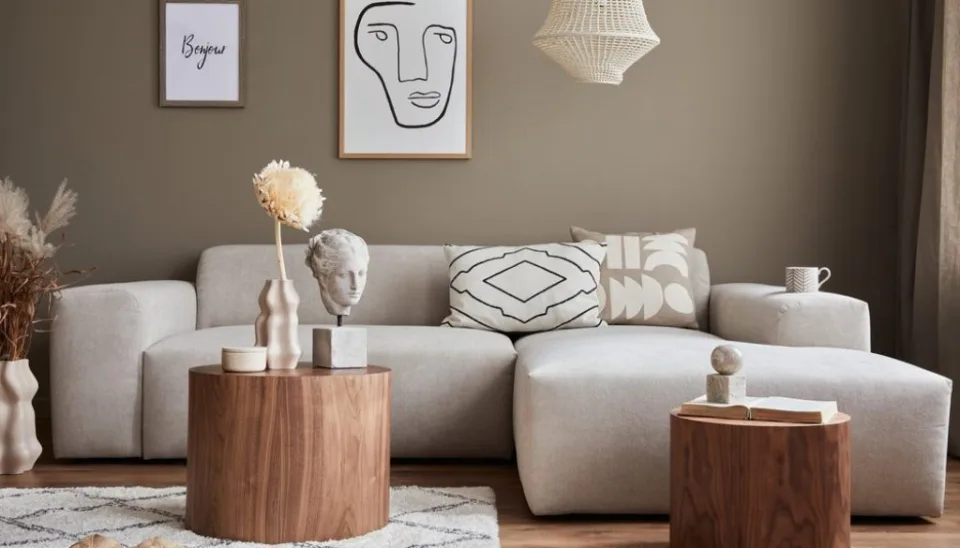
Textural accents include items like decorative sculptures, wall art, and accent pillows. Their primary goal is to add visual interest. They break up the monotony of flat surfaces and introduce contrast. For example, placing a velvet cushion on a leather sofa creates a tactile contrast that makes the room feel more luxurious.
Functional Decor (The Practical Enhancers)
Functional decor, such as decorative storage baskets, designer clocks, or elegant coat racks, serves a specific need. These items declutter your space while contributing to the overall design theme. Choosing between these two categories depends on the specific needs of your room.
| Feature | Textural Accents | Functional Decor |
|---|---|---|
| Primary Goal | Visual interest & ambiance | Utility & organization |
| Best Room | Living room, bedroom | Entryway, kitchen, home office |
| Maintenance | Low (dusting/cleaning) | Moderate (requires organizing) |
Comparing Material Choices: Natural vs. Synthetic Accessories
The materials you choose for your home accessories dictate the "vibe" of your interior. A major debate in the world of home styling is the choice between natural materials and synthetic alternatives.
The Appeal of Natural Materials
Natural materials like wood, stone, wool, and rattan bring a sense of warmth and organic beauty. They are timeless and often age gracefully, developing a patina over time. They are ideal for creating a "Scandi," "Boho," or "Rustic" look. However, natural materials often require more maintenance and are generally more expensive.
The Benefits of Synthetic Materials
Synthetic materials, such as acrylic, metal alloys, and polyester blends, offer durability and affordability. They are perfect for high-traffic areas or homes with children and pets. Acrylic furniture and accessories are excellent for small spaces because they are transparent, creating the illusion of more room. If you prefer a modern, industrial, or mid-century look, synthetic materials often provide the precise finishes required.
The Lighting Dilemma: Ambient vs. Task Accessories
Lighting is perhaps the most important category of home accessories. It changes the mood of a room instantly. When comparing lighting accessories, you are usually choosing between ambient lighting (setting the mood) and task lighting (improving productivity).
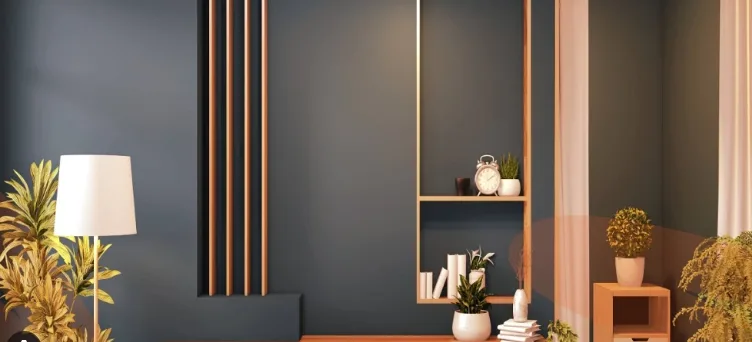
- Ambient Accessories: These include table lamps with decorative shades, floor lamps with warm bulbs, and string lights. They are designed to create a soft glow that makes a room feel cozy.
- Task Accessories: These include adjustable desk lamps, under-cabinet lighting, or focused reading lamps. These are designed to minimize eye strain and assist in specific activities.
A professional design tip is to layer your lighting. Never rely on just one type. Use ambient accessories to create a welcoming atmosphere, and supplement them with task accessories where you actually perform work or hobbies.
Trend Analysis: Minimalist vs. Maximalist Accessories
Trends in home accessories often swing between two extremes: the "less is more" philosophy of minimalism and the "more is more" philosophy of maximalism.
Minimalist Approach
Minimalism focuses on intentionality. Each accessory must have a purpose or bring genuine joy. The focus is on quality over quantity. Think of a single large, statement ceramic vase on a console table rather than a collection of smaller trinkets. This approach creates a sense of calm and order.
Maximalist Approach
Maximalism is about expression. It involves layering patterns, colors, and textures. A maximalist home might feature a gallery wall, a mix of patterned throw pillows, and shelves overflowing with curated collections. This style makes a home feel vibrant and deeply personal.
When comparing these, ask yourself: Does your space feel too empty (requiring maximalist touches) or too cluttered (requiring a minimalist edit)?
How to Choose the Right Accessories for Your Home
Choosing accessories shouldn't be a random process. Follow these guidelines to ensure your selections harmonize with your existing furniture:
- Identify Your Color Palette: Choose accessories that either complement your dominant color or act as a bold accent. A neutral room can be completely transformed by changing the color of your accessories.
- Consider the Scale: One of the most common mistakes is choosing accessories that are too small. A large wall needs a large piece of art or a grouping of items. Small accessories on a large wall often look "lost."
- Think About Texture: If your furniture is smooth (leather, glass), add soft accessories (wool rugs, velvet pillows). If your furniture is soft, add hard accessories (metal lanterns, stone vases).
- Curate, Don’t Collect: Avoid buying items just because they are on sale. Curate your collection over time, choosing pieces that reflect your personal journey and taste.
Seasonal Transitions: Adapting Your Accessories
One of the best ways to keep your home feeling fresh is to rotate your accessories seasonally. You don't need to redecorate your entire home; small changes can have a massive impact.
Spring and Summer
During the warmer months, switch to lighter fabrics like linen and cotton. Swap dark, heavy decor for bright, airy pieces. Introduce botanical elements, such as fresh flowers or potted plants, to bring the outdoors in.
Autumn and Winter
As the temperature drops, transition to cozy textures. Swap out lightweight throws for chunky knits. Introduce warmer tones like burnt orange, deep red, or mustard yellow. Add candles and soft lighting to compensate for the shorter days.
Common Mistakes to Avoid
Even with the best intentions, it is easy to fall into traps when selecting home accessories. Here are a few pitfalls to watch out for:
- Overcrowding: "Clutter-core" is a trend, but there is a fine line between curated maximalism and actual clutter. Ensure there is "negative space" so your favorite pieces can breathe.
- Ignoring Functionality: A beautiful chair that is uncomfortable to sit on, or a vase that leaks, is a failed accessory. Always test the utility of your items.
- Matching Everything: Don't try to match every accessory to your furniture. A room that looks like a showroom catalog often lacks character. Mix and match styles to create depth.
Conclusion: The Art of Living Well
Home accessories are the most flexible and affordable way to redefine your living space. By understanding the differences between decorative and functional items, balancing textures, and choosing pieces that reflect your personality, you can create a home that is both beautiful and highly functional. Remember, the goal isn't to create a picture-perfect catalog room, but to build a sanctuary that supports your lifestyle and brings you joy every single day.
Start small, experiment with different styles, and don't be afraid to edit. Your home is a living, breathing canvas—treat your accessories as the brushstrokes that define its character.