The Ultimate Guide to Finding the Best Shoes for Every Occasion
In the world of fashion and comfort, shoes play an indispensable role. They are not just functional items to protect our feet; they are statements of style, indicators of personality, and crucial elements for our overall well-being. Whether you're navigating the bustling city streets, conquering a challenging trail, or simply enjoying a relaxed weekend, the right pair of shoes can make all the difference. This comprehensive guide will delve into the multifaceted world of shoes, offering insights, tips, and recommendations to help you discover the best footwear for every aspect of your life. From understanding different shoe types and materials to mastering the art of selection and care, we've got you covered.
Understanding the Anatomy of a Shoe: More Than Just Soles and Laces
Before we embark on our journey to find the best shoes, it's essential to understand the fundamental components that make up a shoe. This knowledge will empower you to make informed decisions and appreciate the craftsmanship involved.
Key Shoe Components:
- Upper: This is the part of the shoe that covers the top and sides of your foot. It can be made from various materials like leather, canvas, synthetic fabrics, or mesh, each offering different levels of breathability, durability, and aesthetics.
- Lining: The interior material that contacts your foot. A good lining enhances comfort, wicks away moisture, and prevents chafing. Common lining materials include leather, textile, or synthetic blends.
- Insole: The inner sole that sits directly beneath your foot. It provides cushioning, support, and can be removable for custom orthotics.
- Midsole: Located between the insole and the outsole, the midsole is responsible for shock absorption and cushioning. Materials like EVA foam, polyurethane, or gel are often used here.
- Outsole: The bottom-most layer of the shoe that makes contact with the ground. It provides traction, durability, and protection. Rubber is a common material for outsoles, often featuring various tread patterns for grip.
- Heel: The raised portion at the back of the shoe. The height and design of the heel significantly impact the shoe's style and how it distributes weight.
- Tongue: The flap that lies under the laces, preventing them from digging into the top of your foot.
- Collar: The padded edge around the ankle opening of the shoe, designed for comfort and support.
The Vast Landscape of Shoe Types: Finding Your Perfect Fit
The world of footwear is incredibly diverse, with specialized shoes designed for specific activities, styles, and needs. Understanding these categories is the first step to identifying the best shoes for your wardrobe.
Essential Shoe Categories:
- Athletic Shoes: Designed for performance and comfort during physical activities. This broad category includes:
- Running Shoes: Lightweight, cushioned, and supportive, built for shock absorption and forward motion.
- Training Shoes: Versatile for gym workouts, offering stability for lateral movements and weightlifting.
- Basketball Shoes: High-top designs for ankle support, with excellent grip and cushioning for jumping and quick stops.
- Hiking Boots: Durable, waterproof, and offering superior ankle support and traction for rugged terrain.
- Walking Shoes: Comfortable and supportive for everyday walking, with good cushioning and flexibility.
- Casual Shoes: For everyday wear, balancing comfort and style.
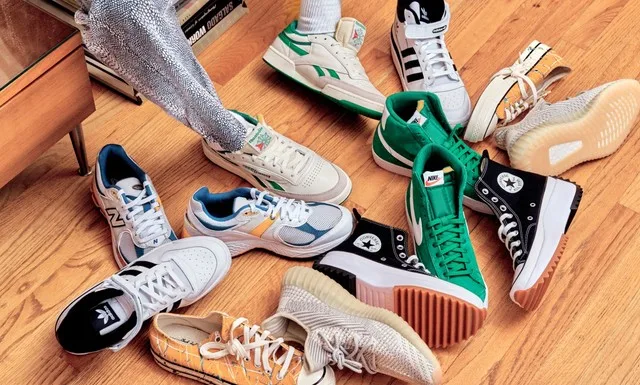
- Sneakers: A broad term encompassing many athletic-inspired casual shoes, from canvas classics to modern designs.
- Loafers: Slip-on shoes with a moccasin-like construction, offering a smart-casual look.
- Boat Shoes: Originally designed for sailors, these slip-on shoes are often made of leather or canvas with non-slip soles.
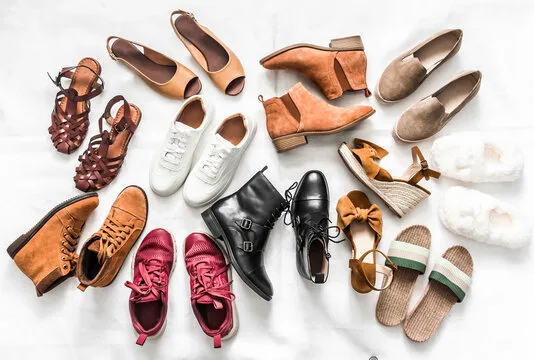
- Sandals: Open footwear that leaves the toes and often the heel exposed, ideal for warm weather.
- Espadrilles: Casual shoes with a canvas or cotton fabric upper and a flexible sole made of esparto rope.
- Dress Shoes: For formal occasions and professional settings.
- Oxfords: Characterized by their closed lacing system, offering a sleek and formal appearance.
- Derbies: Feature an open lacing system, making them slightly less formal than Oxfords but still suitable for many dress occasions.
- Monk Straps: Fastened with buckles instead of laces, offering a stylish alternative to traditional dress shoes.
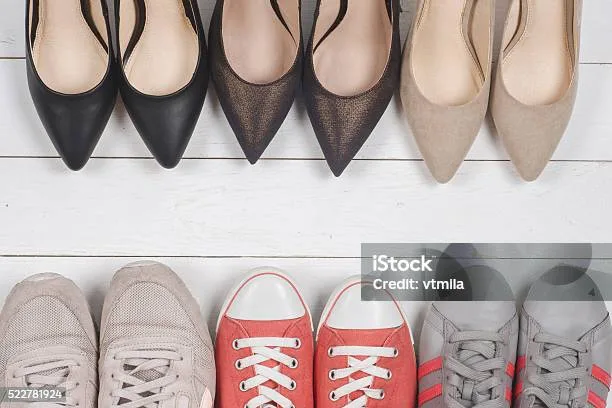
- Pumps (Heels): Classic women's dress shoes with a closed toe and a heel, varying in height and style.
- Ballet Flats: Flat, slip-on shoes inspired by ballet slippers, offering a chic and comfortable option for women.
- Boots: Footwear that extends above the ankle, offering protection, warmth, and style.
- Ankle Boots: Versatile boots that end at or just above the ankle, suitable for various outfits.
- Chelsea Boots: Ankle boots with elastic side panels, offering a sleek and easy-to-wear design.
- Combat Boots: Durable, lace-up boots designed for rugged wear and often adopted as a fashion statement.
- Knee-High Boots: Boots that extend up to the knee, offering warmth and a sophisticated look.
Materials Matter: The Foundation of Comfort and Durability
The materials used in shoe construction significantly impact their comfort, durability, breathability, and overall aesthetic. Choosing the right materials can elevate your shoe-wearing experience.
Popular Shoe Materials and Their Properties:
| Material | Pros | Cons | Best For |
|---|---|---|---|
| Leather (Full-grain, Top-grain, Suede, Nubuck) | Durable, breathable, molds to the foot, develops a rich patina over time, water-resistant (with treatment). | Can be expensive, requires maintenance, can be stiff initially. | Dress shoes, boots, casual shoes, high-quality sneakers. |
| Canvas | Lightweight, breathable, affordable, easy to clean, versatile for casual styles. | Less durable than leather, not water-resistant, can stain easily. | Casual sneakers, espadrilles, summer shoes. |
| Synthetic Fabrics (Polyester, Nylon) | Lightweight, durable, quick-drying, often water-resistant, affordable. | Can be less breathable than natural materials, may not mold to the foot as well. | Athletic shoes, waterproof boots, outdoor footwear. |
| Mesh | Highly breathable, lightweight, flexible, excellent for ventilation. | Less durable, offers minimal protection from the elements. | Running shoes, training shoes, summer sneakers. |
| Rubber | Durable, excellent traction, waterproof, provides cushioning. | Can be heavy, less breathable, may wear down over time. | Outsoles of most shoes, rain boots, specialized work boots. |
| EVA Foam | Lightweight, excellent cushioning, shock absorption, flexible. | Can compress over time with heavy use, less durable than rubber. | Midsoles of athletic shoes, casual sneakers, sandals. |
The Art of Selection: How to Choose the Best Shoes for You
Finding the perfect pair of shoes involves more than just picking a style you like. Several factors should be considered to ensure comfort, functionality, and longevity.
Key Considerations for Shoe Selection:
- Purpose and Activity: What will you primarily use these shoes for? Running, hiking, work, or casual outings? This is the most crucial factor in determining the type and features you need.
- Fit is Paramount:
- Measure Your Feet: Feet can change size over time. Measure both feet, as they may not be the same size.
- Try Them On: Always try shoes on before purchasing, preferably at the end of the day when your feet are slightly swollen.
- Walk Around: Don't just stand; walk around the store to check for any pinching, rubbing, or slipping.
- Toe Room: Ensure there's about a thumb's width of space between your longest toe and the front of the shoe.
- Heel Fit: Your heel should feel secure and not slip up and down when you walk.
- Arch Support: Consider your arch type (high, normal, flat) and choose shoes that offer appropriate support.
- Comfort: The shoes should feel comfortable from the moment you put them on. There should be no break-in period required for basic comfort.
- Durability and Quality: Inspect the stitching, sole attachment, and overall construction. Higher quality materials and craftsmanship generally lead to longer-lasting shoes.
- Style and Aesthetics: While function is key, your shoes should also align with your personal style and the occasions you'll be wearing them for.
- Budget: Set a budget, but remember that investing in quality footwear can save you money in the long run due to their durability.
- Breathability: Especially important for athletic and casual shoes, good breathability prevents sweat buildup and keeps your feet dry and comfortable.
- Traction: The outsole's tread pattern is crucial for grip, particularly for athletic, hiking, and work shoes.
Navigating Trends: Staying Stylish with the Latest Footwear Fashions
The world of shoe fashion is constantly evolving. While timeless classics remain popular, staying aware of current trends can help you refresh your wardrobe and express your style.
Current Shoe Trends to Watch:
- Sustainable Footwear: With growing environmental consciousness, brands are increasingly using recycled materials, eco-friendly processes, and ethical sourcing. Look for shoes made from recycled plastics, organic cotton, cork, or plant-based leathers.
- Chunky Soles and Platform Shoes: From sneakers to boots and sandals, the trend for thicker, more substantial soles continues to dominate, offering both style and a bit of extra height.
- Retro and Vintage-Inspired Designs: Classic silhouettes from the 70s, 80s, and 90s are making a comeback, offering a nostalgic and stylish appeal. Think updated versions of classic sneakers and loafers.
- Comfort-First Athleisure: The lines between athletic and casual wear continue to blur. Comfortable, stylish sneakers and slides are perfect for everyday wear, blending performance with fashion.
- Bold Colors and Statement Finishes: While neutrals are always in, don't shy away from shoes in vibrant hues, metallic finishes, or unique textures that can elevate an outfit.
- Versatile Boots: Ankle boots and combat boots remain wardrobe staples, but knee-high boots are also making a strong resurgence, offering a chic and polished look.
- Minimalist Footwear: Clean lines, simple designs, and neutral color palettes are perfect for those who prefer a sophisticated and understated aesthetic.
Caring for Your Footwear: Extending the Life of Your Best Shoes
Investing in good shoes is only half the battle; proper care is essential to ensure they last and maintain their look and feel.
Essential Shoe Care Tips:
- Clean Regularly: Brush off dirt and debris after each wear, especially for outdoor shoes. Use appropriate cleaners for different materials.
- Leather Care:
- Conditioning: Apply a leather conditioner periodically to keep the leather supple and prevent cracking.
- Polishing: Use shoe polish to restore color and shine, and to protect against moisture.
- Waterproofing: Use a waterproofing spray, especially for suede and nubuck, to protect against stains and water damage.
- Suede and Nubuck: Use a specialized suede brush to remove dirt and restore the nap. For stains, use a suede eraser or a damp cloth with a mild detergent.
- Fabric Shoes: Many canvas and fabric shoes can be hand-washed with mild soap and water. Check the care label for specific instructions.
- Drying: Never dry wet shoes near direct heat sources like radiators or in direct sunlight, as this can damage the materials. Stuff them with newspaper to absorb moisture and help them retain their shape.
- Rotate Your Shoes: Avoid wearing the same pair of shoes every day. Rotating your footwear allows them to air out and recover their shape, extending their lifespan.
- Use Shoe Trees: Cedar shoe trees absorb moisture and odor, and help maintain the shoe's shape, especially for leather dress shoes and boots.
- Store Properly: Keep shoes in a cool, dry place, away from direct sunlight. Use shoe boxes or dust bags to protect them from dust and damage.
- Address Minor Issues Promptly: Repair loose soles or worn heels as soon as you notice them to prevent further damage.
The Best Shoes for Specific Needs: Recommendations for Every Foot
While trends and general advice are helpful, sometimes you need specific recommendations for particular situations. Here are some of the best types of shoes to consider for common needs:
Top Picks for Everyday Comfort and Style:
- For Walking and Commuting: Comfortable walking shoes with good cushioning and arch support. Look for breathable materials and flexible soles.
- For Office Wear: Well-made loafers, Oxfords, or elegant flats. Ensure they are comfortable enough for all-day wear and polished enough for a professional environment.
- For Weekend Errands: Versatile sneakers or stylish casual boots that can handle a variety of surfaces and weather conditions.
- For Travel: Lightweight, comfortable, and versatile shoes that can be dressed up or down. Consider slip-on styles for easy removal at security checkpoints.
Best Shoes for Performance and Activity:
- Best Running Shoes: Prioritize cushioning, support, and a good fit for your gait. Brands often offer specific models for neutral runners, overpronators, and supinators.
- Best Hiking Boots: Look for waterproof materials, excellent ankle support, and aggressive tread patterns for superior grip on varied terrain.
- Best Training Shoes: Stability is key for gym workouts. Shoes with a flat, firm sole and good lateral support are ideal for lifting and cross-training.
- Best Casual Sneakers: Classic canvas sneakers, comfortable lifestyle sneakers, or stylish trainers that offer a blend of fashion and comfort for daily wear.
Conclusion: Your Journey to the Perfect Pair
Finding the best shoes is a personal journey, one that balances style, comfort, and functionality. By understanding the different types of shoes, the materials they're made from, and how to select and care for them, you can make informed choices that will keep your feet happy and your style on point. Whether you're seeking the ultimate running shoe for your next marathon, a sophisticated pair of heels for a special occasion, or a comfortable everyday sneaker, the perfect pair is out there waiting for you. Remember to prioritize fit, consider your needs, and don't underestimate the power of well-cared-for footwear. Happy shoe hunting!