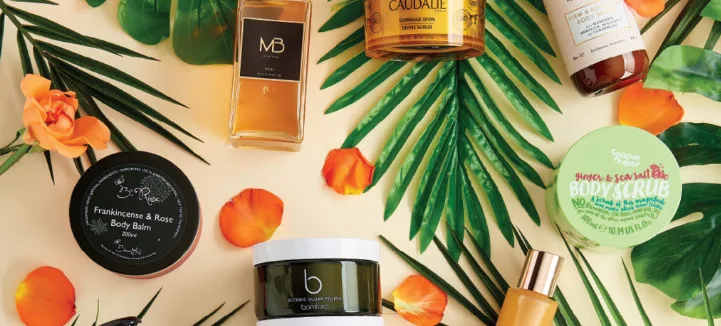
The Ultimate Guide to Navigating Health & Beauty Product Comparisons
The health and beauty industry is a vast and ever-evolving landscape, offering consumers an overwhelming array of products and solutions. From skincare and haircare to supplements and wellness tools, making informed choices can be a daunting task. This comprehensive guide delves into the art of product comparison within the health and beauty niche, empowering you to navigate the market with confidence and discover the best options for your individual needs. We'll explore common comparison categories, essential factors to consider, and provide actionable insights to help you make smart purchasing decisions.
Understanding the Health & Beauty Landscape
Before we dive into specific comparisons, it's crucial to understand the breadth of the health and beauty sector. This category encompasses products and services aimed at enhancing physical appearance, promoting well-being, and addressing various health concerns. Key sub-niches include:
- Skincare: Cleansers, moisturizers, serums, treatments for acne, anti-aging, hyperpigmentation, etc.
- Haircare: Shampoos, conditioners, treatments, styling products, hair growth solutions.
- Makeup: Foundations, concealers, eyeshadows, lipsticks, and other cosmetic products.
- Personal Care: Deodorants, body washes, oral hygiene products, feminine care.
- Fragrance: Perfumes, colognes, body mists.
- Supplements & Vitamins: Nutritional support for various health goals, from immunity to skin health.
- Wellness Devices: Tools for relaxation, fitness tracking, sleep improvement, and more.
- Nail Care: Polishes, treatments, and tools for manicures and pedicures.
Each of these sub-niches has its own unique set of product types, ingredients, and consumer considerations. Effective comparison requires understanding these nuances.
Why Product Comparison is Essential in Health & Beauty
In a market saturated with options, comparison is not just a helpful step; it's a necessity. Here's why:
- Informed Decision-Making: Avoid impulse buys and choose products that genuinely align with your needs and expectations.
- Maximizing Value: Identify the best quality products within your budget.
- Safety and Efficacy: Ensure the products you choose are safe for your skin, hair, or body and are likely to deliver the promised results.
- Avoiding Wasted Resources: Prevent spending money on products that don't work or, worse, cause adverse reactions.
- Discovering Hidden Gems: Uncover effective products that might not be heavily advertised but are highly rated by users.
- Understanding Ingredients: Learn to differentiate between beneficial and potentially harmful ingredients.
Key Comparison Categories in Health & Beauty
When comparing health and beauty products, several categories consistently emerge as crucial decision-making factors. Let's explore some of the most common and impactful ones:
1. Ingredient Analysis: The Foundation of Effectiveness and Safety
This is arguably the most critical aspect of health and beauty product comparison. Understanding what goes into a product can tell you a lot about its potential benefits, risks, and suitability for your specific concerns.
Common Ingredient Comparison Points:
- Active vs. Inactive Ingredients: Active ingredients are what provide the primary function of the product (e.g., salicylic acid in acne treatments, hyaluronic acid in moisturizers). Inactive ingredients are fillers, preservatives, and texture enhancers.
- Natural vs. Synthetic Ingredients: While "natural" often sounds appealing, it doesn't always equate to better or safer. Some natural ingredients can be irritants, while many synthetic ingredients are rigorously tested and highly effective. The key is to understand the source and function of each.
- Potentially Irritating or Harmful Ingredients: Common culprits include parabens, sulfates (SLS/SLES), phthalates, artificial fragrances, and certain alcohols. Consumers with sensitive skin or specific allergies should pay close attention to these.
- Beneficial Ingredients for Specific Concerns:
- Acne: Salicylic acid, benzoyl peroxide, niacinamide, tea tree oil.
- Anti-aging: Retinoids, vitamin C, peptides, hyaluronic acid, ceramides.
- Hydration: Hyaluronic acid, glycerin, ceramides, shea butter.
- Brightening: Vitamin C, niacinamide, alpha arbutin, kojic acid.
- Certifications: Look for certifications like organic, cruelty-free, vegan, and dermatologist-tested, which can provide an added layer of assurance.
Comparison Example: Moisturizers for Oily Skin
When comparing moisturizers for oily skin, you'd look for lightweight, non-comedogenic formulas. Key ingredients to compare might include:
| Product Type | Key Ingredients to Look For | Ingredients to Potentially Avoid | Benefits |
|---|---|---|---|
| Gel-based Moisturizer | Hyaluronic Acid, Glycerin, Niacinamide, Dimethicone | Heavy oils (e.g., mineral oil, coconut oil), Lanolin | Lightweight hydration, pore-minimizing, oil control |
| Water-based Lotion | Water, Hyaluronic Acid, Ceramides, Panthenol | Thick emollients, heavy silicones | Hydration without greasiness, skin barrier support |
2. Product Formulations and Textures: Matching Your Preference and Skin Type
The way a product feels and applies can significantly impact your user experience and its effectiveness. This is particularly true for skincare and haircare.
Common Formulation Comparison Points:
- Texture: Creams, lotions, gels, serums, oils, mousses, sprays.
- Absorption Rate: How quickly does the product sink into the skin or hair?
- Finish: Matte, dewy, natural, glossy.
- Weight: Lightweight, medium-weight, heavy.
- Suitability for Skin/Hair Type: Oily, dry, combination, sensitive, fine, thick, color-treated.
Comparison Example: Serums for Dry Skin
When comparing serums for dry skin, you'd prioritize hydration and nourishment:
| Serum Type | Key Ingredients | Texture/Feel | Primary Benefit |
|---|---|---|---|
| Hyaluronic Acid Serum | Hyaluronic Acid (various molecular weights), Glycerin | Lightweight, watery, absorbs quickly | Intense hydration, plumping effect |
| Ceramide Serum | Ceramides, Cholesterol, Fatty Acids, Peptides | Slightly richer, milky consistency | Strengthening skin barrier, long-lasting moisture retention |
| Facial Oil Serum | Squalane, Jojoba Oil, Rosehip Oil, Argan Oil | Emollient, can feel richer, may take longer to absorb | Deep nourishment, improved skin suppleness, sealing in moisture |
3. Efficacy and Performance: Does it Deliver on its Promises?
This is where product claims meet reality. Comparing efficacy involves looking beyond marketing jargon and assessing real-world results.
Common Efficacy Comparison Points:
- Clinical Studies and Testimonials: Reputable brands often have clinical data to support their claims. User reviews and testimonials can offer anecdotal evidence of effectiveness.
- Speed of Results: Some products offer immediate improvements (e.g., a hydrating mask), while others require consistent use over time (e.g., anti-aging treatments).
- Longevity of Effects: How long do the benefits last? For example, does a foundation offer all-day coverage?
- Targeted Concerns: Does the product effectively address the specific issue it claims to solve (e.g., reducing redness, preventing breakouts, improving hair shine)?
- Potential Side Effects: Even effective products can have side effects. Comparing these is crucial for making a safe choice.
Comparison Example: Hair Masks for Damaged Hair
When comparing hair masks for damaged hair, you'd consider:
| Hair Mask Type | Key Ingredients | Expected Results | Time to See Results |
|---|---|---|---|
| Protein-Based Mask | Hydrolyzed Keratin, Wheat Protein, Amino Acids | Strengthens hair shaft, reduces breakage, improves elasticity | Noticeable after 1-2 uses, cumulative with regular use |
| Moisture-Rich Mask | Shea Butter, Coconut Oil, Argan Oil, Glycerin | Softens hair, adds shine, reduces frizz, improves manageability | Immediate softening, improved manageability after one use |
| Bond-Repairing Treatment | Bis-Aminopropyl Diglycol Dimaleate (e.g., Olaplex technology) | Rebuilds broken disulfide bonds, significant reduction in breakage, improved hair strength and integrity | Noticeable improvement after first treatment, significant long-term benefits with continued use |
4. Price and Value for Money: Balancing Cost and Quality
Health and beauty products range from drugstore bargains to luxury splurges. Effective comparison means finding the best value, not necessarily the cheapest option.
Common Price and Value Comparison Points:
- Cost Per Unit/Application: A higher upfront cost might be justified if the product lasts longer or requires less product per use.
- Ingredient Quality vs. Price: Are you paying for premium, well-researched ingredients, or just a fancy package and brand name?
- Product Concentration: Higher concentrations of active ingredients often mean a higher price but potentially better results.
- Brand Reputation and Research: Established brands with a history of innovation and quality often command higher prices.
- Promotional Offers and Bundles: Keep an eye out for sales, discounts, and bundled deals that can significantly improve value.
Comparison Example: Vitamin C Serums
Comparing Vitamin C serums can reveal significant price differences:
| Price Tier | Typical Vitamin C Form | Concentration Range | Potential Additional Ingredients | Price Range (Approx.) |
|---|---|---|---|---|
| Budget-Friendly | Sodium Ascorbyl Phosphate, Magnesium Ascorbyl Phosphate | 5-10% | Basic humectants | $10 - $25 |
| Mid-Range | L-Ascorbic Acid, Ascorbyl Glucoside | 10-15% | Vitamin E, Ferulic Acid, Hyaluronic Acid | $25 - $50 |
| High-End/Luxury | L-Ascorbic Acid (often stabilized), Tetrahexyldecyl Ascorbate | 15-20% or higher | Advanced antioxidant complexes, peptides, growth factors | $50+ |
Note: A higher price doesn't automatically guarantee better results. Research the specific formulation and ingredient stability.
5. Brand Philosophy and Ethics: Aligning with Your Values
For many consumers, the ethical stance and brand philosophy are as important as the product itself.
Common Ethical Comparison Points:
- Cruelty-Free: Products not tested on animals. Look for certifications like Leaping Bunny.
- Vegan: Products free from all animal-derived ingredients.
- Sustainability: Brands committed to eco-friendly packaging, sourcing, and manufacturing processes.
- Inclusivity: Brands that offer a wide range of shades for makeup or cater to diverse skin and hair types.
- Transparency: Brands that are open about their ingredients, sourcing, and manufacturing.
Comparison Example: Sunscreens
When comparing sunscreens, ethical considerations are paramount:
| Sunscreen Type | Key Differentiators | Ethical Considerations |
|---|---|---|
| Mineral Sunscreens (Physical) | Active ingredients: Zinc Oxide, Titanium Dioxide | Generally considered reef-safe, often preferred by sensitive skin |
| Chemical Sunscreens | Active ingredients: Oxybenzone, Avobenzone, Octinoxate, etc. | Some ingredients (e.g., Oxybenzone) have raised concerns about environmental impact on coral reefs and potential endocrine disruption. Many brands are reformulating to avoid these. |
| "Reef-Safe" Labeled Sunscreens | Formulated to avoid ingredients known to harm coral reefs. | Requires careful checking of ingredient lists, as "reef-safe" is not a regulated term. |
Strategies for Effective Health & Beauty Product Comparison
Now that we understand the key comparison points, let's outline practical strategies for conducting your own research:
- Define Your Needs and Goals: Before you start comparing, be clear about what you want to achieve. Are you looking for hydration, anti-aging, acne treatment, or something else? What is your skin type, hair type, and any specific sensitivities?
- Read Ingredient Lists Carefully: Don't just look at the first few ingredients. Understand the function of key components. Resources like INCI Decoder can be invaluable.
- Consult Reputable Review Sites and Blogs: Look for unbiased reviews from sources that focus on ingredients and performance rather than just sponsored content.
- Watch "Dupe" Videos and Read Comparison Articles: Many beauty enthusiasts and bloggers create content comparing high-end products to more affordable alternatives.
- Understand Your Skin/Hair Type: What works for one person might not work for another. Tailor your search to products formulated for your specific needs.
- Patch Test New Products: Always perform a patch test on a small area of skin before applying a new product all over your face or body, especially if you have sensitive skin.
- Look for Clinical Data and Third-Party Testing: While not always available, this information can provide strong evidence of a product's efficacy.
- Consider the Packaging and Preservation: For sensitive ingredients like Vitamin C or Retinol, airless pumps and opaque packaging are crucial for maintaining stability and efficacy.
- Don't Be Afraid to Experiment (Responsibly): Sometimes, the best way to find what works is through a bit of trial and error, especially with smaller, more affordable sizes if available.
Common Pitfalls to Avoid During Comparison
Navigating the health and beauty market can be tricky. Be aware of these common mistakes:
- Falling for Hype and Marketing Claims: Brands invest heavily in marketing. Always look beyond the buzzwords and examine the actual product.
- Ignoring Your Specific Needs: A product that's a cult favorite for oily skin might be disastrous for dry skin.
- Over-Reliance on "Natural" or "Organic" Labels: These terms can be misleading. Focus on the specific ingredients and their proven benefits.
- Disregarding Ingredient Stability: Some ingredients degrade quickly in certain formulations or packaging, rendering them ineffective.
- Comparing Apples to Oranges: Ensure you're comparing products within the same category and with similar intended uses.
- Not Considering Long-Term Effects: Some products might offer quick fixes but could have negative long-term consequences.
The Future of Health & Beauty Product Comparison
The landscape of health and beauty is constantly evolving. We can expect to see:
- Increased Transparency: Brands will likely face more pressure to be transparent about their ingredients, sourcing, and manufacturing processes.
- Personalization: AI-powered tools and DNA testing might lead to even more personalized product recommendations and formulations.
- Focus on Sustainability: Eco-conscious consumers will continue to drive demand for sustainable products and packaging.
- Advanced Ingredient Research: New and innovative ingredients with proven efficacy will emerge.
- Data-Driven Reviews: More sophisticated platforms for aggregating and analyzing user reviews will become available.
Conclusion
Mastering the art of health and beauty product comparison is an ongoing journey. By understanding the crucial factors – ingredients, formulations, efficacy, price, and ethics – and employing smart research strategies, you can make informed decisions that enhance your well-being and beauty routine. Remember that what works best is highly personal, so continuous learning and mindful selection are key to unlocking the full potential of the vibrant health and beauty industry.