The Ultimate Home Accessories Comparison Guide: Choosing the Right Style, Materials, and Functionality for Your Space
Home accessories are the soul of interior design. While furniture establishes the layout and foundation of a room, decorative accents, textiles, lighting, and functional decor items bring personality, warmth, and cohesion to living spaces. Choosing the right home accessories, however, can be overwhelming given the vast array of styles, materials, and price points available in today’s market.
Decorating a space requires balancing aesthetics, practicality, sustainability, and budget. Should you invest in functional accents like decorative storage and designer lighting, or focus on purely aesthetic pieces like sculptures and gallery walls? Is it better to choose eco-friendly natural materials or budget-friendly, durable synthetics? This comprehensive comparison guide breaks down the primary categories of home accessories, comparing their pros, cons, long-term value, and room placement to help you make informed interior styling decisions.
Section 1: Functional Home Accessories vs. Purely Decorative Home Accessories
One of the most fundamental choices in home styling is deciding between accessories that serve a practical purpose and those designed strictly for visual appeal. Striking the ideal ratio between function and beauty is the secret to a well-balanced room.
Functional Home Accessories
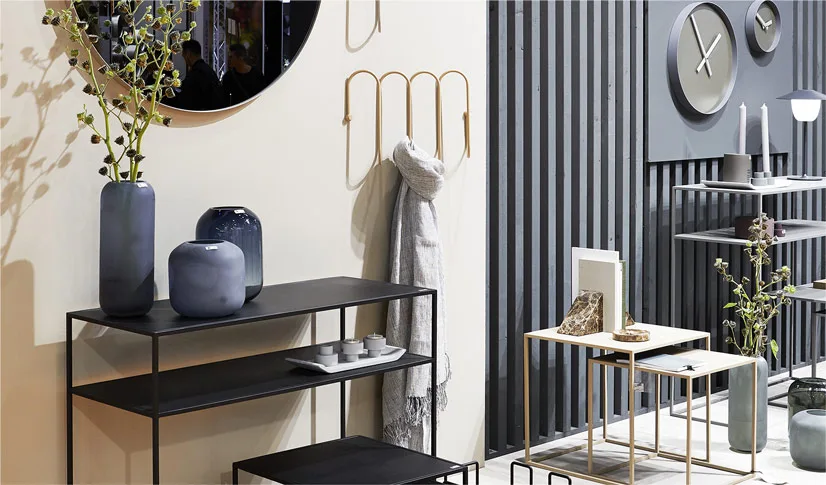
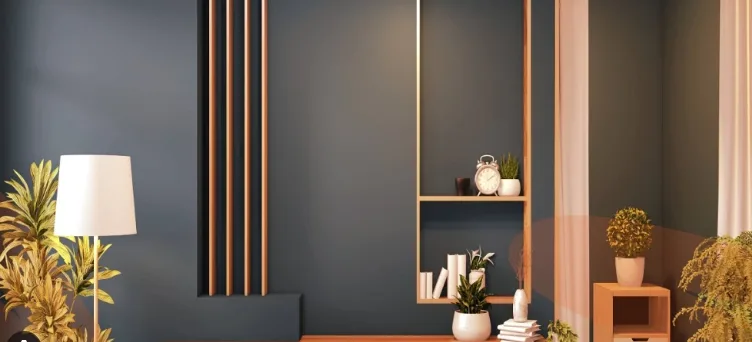
Functional accessories combine utility with visual aesthetic. Examples include decorative table lamps, wall clocks, catch-all trays, decorative storage baskets, ceramic bookends, and throw blankets. These items earn their place in your home by helping organize, illuminate, or improve comfort while simultaneously enhancing the design scheme.
- Pros: Maximizes floor and counter space; reduces clutter; offers high value per square foot; ideal for compact living environments.
- Cons: May require compromised aesthetics to achieve practical utility; subject to wear and tear due to frequent physical contact.
Purely Decorative Home Accessories
Purely decorative accessories exist solely to elevate the atmosphere and showcase personal taste. Examples include abstract sculptures, decorative ceramic vases, wall art, display pedestals, and decorative glass bowls. These items create focal points, introduce contrasting textures, and convey design themes such as minimalism, bohemian elegance, or industrial modernism.
- Pros: Complete creative freedom; allows for artistic self-expression; easy to swap out seasonally or as design trends evolve.
- Cons: Can quickly lead to visual clutter if overused; requires regular dusting and maintenance without providing functional utility.
Side-by-Side Comparison
| Feature | Functional Accessories | Purely Decorative Accessories |
|---|---|---|
| Primary Purpose | Utility, organization, lighting, comfort | Visual interest, focal points, artistic accentuation |
| Common Examples | Storage baskets, throw blankets, trays, clocks | Sculptures, ornamental vases, art prints |
| Best For | Small spaces, high-traffic areas, minimalist homes | Mantels, display shelves, entryways, accent tables |
| Durability Needs | High (must withstand regular everyday handling) | Moderate to Low (primarily static display) |
| Space Efficiency | High (serves dual purposes) | Low to Moderate (occupies purely visual real estate) |
Verdict: For small apartments and high-traffic family homes, prioritize functional accessories to keep clutter at bay. For spacious interiors or dedicated display zones like mantels and bookcases, purely decorative pieces provide the visual drama needed to complete the room.
Section 2: Natural Materials vs. Synthetic Materials in Home Decor
The material composition of your home accessories deeply affects the tactile feel, ambient warmth, durability, and environmental footprint of your home. The two major material classifications are natural elements and synthetic fabrications.
Natural Material Accessories
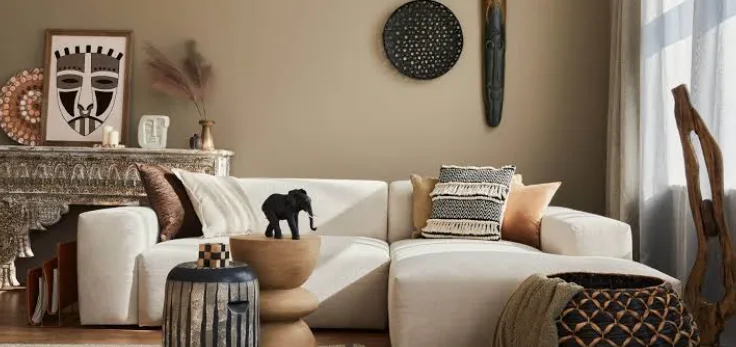
Natural accessories are crafted from organic resources including solid wood, natural stone (marble, travertine, granite), terracotta, ceramic, wool, linen, rattan, and jute. These pieces bring earthy textures, subtle organic imperfections, and timeless authenticity into an interior space.
- Aesthetic Impact: Adds warmth, grounding texture, and an organic connection to nature. Perfect for Biophilic, Scandinavian, Japandi, and Rustic decor styles.
- Durability & Maintenance: Extremely durable over time but may require specific care (e.g., sealing marble trays, conditioning wood bowls, delicate washing for linen cushion covers).
- Sustainability: High potential for eco-friendliness, biodegradability, and lower carbon footprints when responsibly sourced.
Synthetic Material Accessories
Synthetic home accessories are produced using man-made compounds such as acrylic, resin, polyester textiles, faux leather, and molded plastics. Advances in manufacturing allow synthetic accessories to replicate high-end finishes like marble, polished brass, or fine woven fabrics at a fraction of the cost.
- Aesthetic Impact: Highly versatile; enables ultra-modern, crisp, vibrant color palettes and futuristic, sleek geometries difficult to achieve with raw natural materials.
- Durability & Maintenance: Highly resistant to moisture, staining, and impact. Ideal for households with small children or pets, as well as outdoor living spaces.
- Sustainability: Lower environmental sustainability; often petroleum-derived and non-biodegradable, though recycled synthetics are gaining popularity.
Material Comparison Table
| Factor | Natural Accessories (Wood, Stone, Linen) | Synthetic Accessories (Resin, Acrylic, Polyester) |
|---|---|---|
| Tactile Texture | Rich, authentic, warm, organically varied | Smooth, uniform, cool, easily replicated |
| Moisture Resistance | Varies (requires care or sealing) | Exceptionally High (waterproof/water-resistant) |
| Price Point | Mid to High (reflects raw material costs) | Budget to Mid-range (economical mass production) |
| Eco-Friendliness | High (when sustainably harvested) | Low (petroleum-based, plastic footprint) |
| Longevity | Ages gracefully with natural patina | Durable, but can discolor or scratch over time |
Verdict: Choose natural materials for anchor accent pieces—such as a marble coffee table tray or a solid wood vase—to elevate the overall perception of quality in your home. Use synthetic materials strategically for high-wear areas, outdoor spaces, or budget-friendly, trend-focused accents.
Section 3: Timeless Classic Decor vs. Trend-Driven Home Accessories
Home accessory design trends move rapidly, influenced by social media, fashion, and evolving interior design movements. Deciding whether to curate a collection of classic accessories or adopt current design trends affects your long-term decorating budget and overall aesthetic stability.
Timeless Classic Accessories
Timeless decor accessories rely on classical proportions, neutral color palettes, elegant metals (polished brass, aged copper, matte black iron), and simple geometries. Examples include clear glass Hurricane candleholders, classic white ceramic vases, woven natural fiber rugs, and traditional framed mirrors.
- Longevity: Remains stylish across decades without feeling dated.
- Cost Efficiency: Yields a high return on investment because items rarely need replacement due to shifting tastes.
- Versatility: Seamlessly transitions between design refreshes, room moves, and seasonal updates.
Trend-Driven Home Accessories
Trend-driven accessories feature bold colors, unconventional shapes, and whimsical motifs characteristic of specific design trends (such as checkerboard patterns, wavy squiggles, futuristic chrome finishes, or dopamine decor pop colors).
- Visual Impact: Instantly modernizes a space and displays a keen awareness of contemporary culture and design trends.
- Flexibility: Inexpensive way to experiment with bold interior ideas without committing to major furniture changes.
- Risk Factor: High risk of visual fatigue; can make an interior look dated within two to three years as trends shift.
The Golden Ratio: Combining Timeless and Trendy Decor
Rather than choosing exclusively between timeless and trendy accessories, top interior designers recommend using the 70/30 Rule:
- 70% Timeless Foundation: Allocate the majority of your accessory budget to classic lamps, high-quality neutral textiles, elegant trays, and timeless wall mirrors.
- 30% Trend Accents: Reserve a smaller budget for vibrant accent pillow covers, trendy candle shapes, unique small trinkets, and colorful decorative books. These can be easily rotated out when trends shift.
Section 4: Investment Pieces vs. Budget-Friendly Home Accessories
Smart home styling requires strategic financial allocation. Knowing where to invest higher capital and where to leverage affordable decor swaps prevents overspending while ensuring your home maintains a high-end atmosphere.
High-Investment Accessories (Where to Spend)
High-investment home accessories are items defined by artisan craftsmanship, high material weight, or essential functional contribution. Investing in premium options elevates the surrounding furniture and overall space.
- Statement Rugs: Hand-knotted wool or vintage rugs anchor a room's entire layout and endure decades of foot traffic.
- Architectural & Accent Lighting: High-end table lamps and floor lamps feature superior wiring, weighted bases, and refined shades that distribute light softly.
- Artisanal Ceramics & Hand-Blown Glassware: Unique studio pottery and heavy glassware add unmistakable character and structural interest that mass-produced plastic alternatives cannot match.
Budget-Friendly Accessories (Where to Save)
Budget home accessories are smaller accent items where price differences are difficult to detect visually, or items that are subject to high replacement frequencies.
- Cushion Inserts & Covers: Inexpensive cushion covers allow you to change seasonal colors effortlessly without buying entirely new pillows.
- Decorative Trays & Tabletop Trinkets: Mass-produced metal or lacquer trays look virtually identical to designer options when styled correctly with books and candles.
- Picture Frames & Botanical Vases: Standard frames and basic glass cylinder vases can be grouped together effectively regardless of cost.
Section 5: Room-by-Room Styling Guide for Home Accessories
Every room in a home serves a distinct purpose, requiring tailored home accessory choices to optimize aesthetics and functional utility.
1. Living Room Styling
The living room is the primary social hub. Accessories should focus on layering textures and creating visual interest around focal points like coffee tables, fireplaces, and media consoles.
- Key Accessories: Layered throw pillows, textured throw blankets, coffee table books, large ceramic bowls, decorative trays, statement wall art.
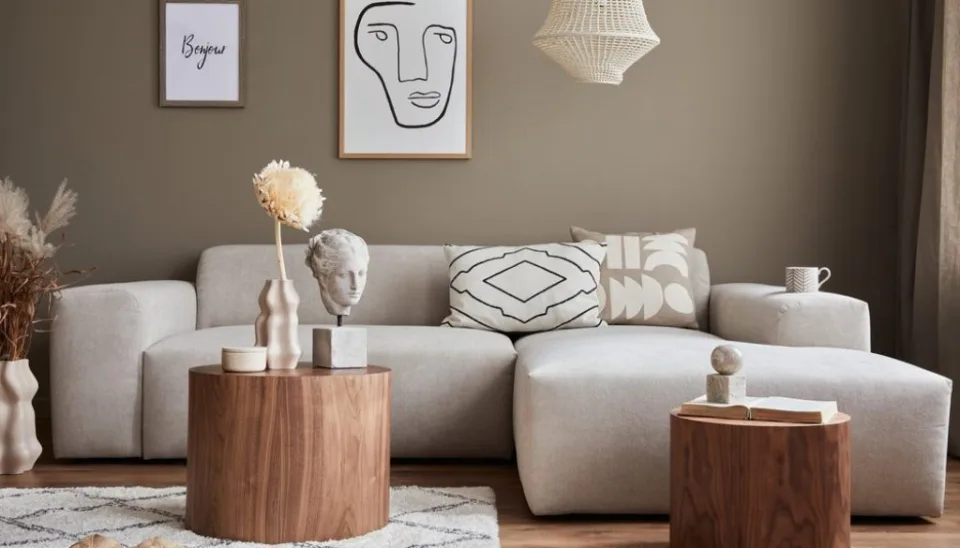
- Styling Tip: Apply the "Rule of Threes" on coffee tables—combine three items of varying heights (e.g., a tall vase, a stack of books, and a low decorative bowl inside a tray).
2. Bedroom Styling
Bedroom accessories should promote relaxation, comfort, and personal intimacy through soft surfaces and subdued lighting.
- Key Accessories: Ambient nightstand lamps, scented soy candles, fabric jewelry dishes, plush bedside runners, framed family photos.
- Styling Tip: Keep nightstand surfaces clear of excess clutter. Choose lamps with integrated dimmers or built-in wireless charging to combine function with form.
3. Kitchen & Dining Styling
Kitchen accessories must balance high functionality with cleanliness, as counter space is at a premium and surfaces require frequent cleaning.
- Key Accessories: Wooden cutting boards stacked against backsplashes, ceramic oil dispensers, footed fruit bowls, linen napkin sets, taper candleholders.
- Styling Tip: Group daily culinary essentials (olive oil, salt cellar, pepper grinder) onto a sleek marble or wooden tray to transform utility into an intentional decor display.
Conclusion: Crafting a Balanced Home Accessory Strategy
Designing a visually captivating, comfortable home comes down to strategic balance. By understanding the distinct roles of functional versus decorative accessories, natural versus synthetic materials, and timeless versus trend-driven pieces, you can curate your space with confidence and clarity.
Remember these core principles when purchasing home accessories:
- Focus on quality over quantity to avoid visual clutter and maintain room balance.
- Anchor spaces with high-investment functional pieces (lighting, rugs, natural materials) and layer in affordable, trendy accents for personality.
- Mix smooth and rough textures (such as marble alongside woven rattan or polished brass alongside matte ceramic) to give any room depth, character, and balance.
By applying these comparison principles, you can select accessories that complement your lifestyle, honor your budget, and turn your house into a curated home.