Choosing the Right Toys: A Comprehensive Comparison Guide for Every Child's Development
The Ever-Evolving World of Toys: More Than Just Playthings
The realm of toys is a vibrant and dynamic landscape, constantly evolving to meet the needs and interests of children across all ages and developmental stages. Far from being mere diversions, toys play a pivotal role in a child's growth, fostering cognitive skills, enhancing motor development, nurturing creativity, and promoting social-emotional learning. As parents, guardians, and educators, navigating this vast selection can be both exciting and overwhelming. This guide aims to demystify the process by offering a comprehensive comparison of popular toy categories, helping you make informed decisions that align with your child's unique developmental journey.
We will delve into the distinct benefits and considerations of various toy types, from the foundational building blocks that spark imagination to the technologically advanced gadgets that engage modern minds. Our focus remains firmly on the *toys themselves* and their inherent value, rather than specific brands or retailers, empowering you with knowledge to select the most enriching play experiences for the children in your life.
Educational Toys: Building Brainpower Through Play
Educational toys are designed with a specific learning objective in mind, aiming to impart knowledge, develop critical thinking skills, and enhance problem-solving abilities. These toys often go hand-in-hand with early childhood curricula and are invaluable for reinforcing concepts learned in school or introducing new ones in an engaging, hands-on manner.
Types of Educational Toys and Their Benefits:
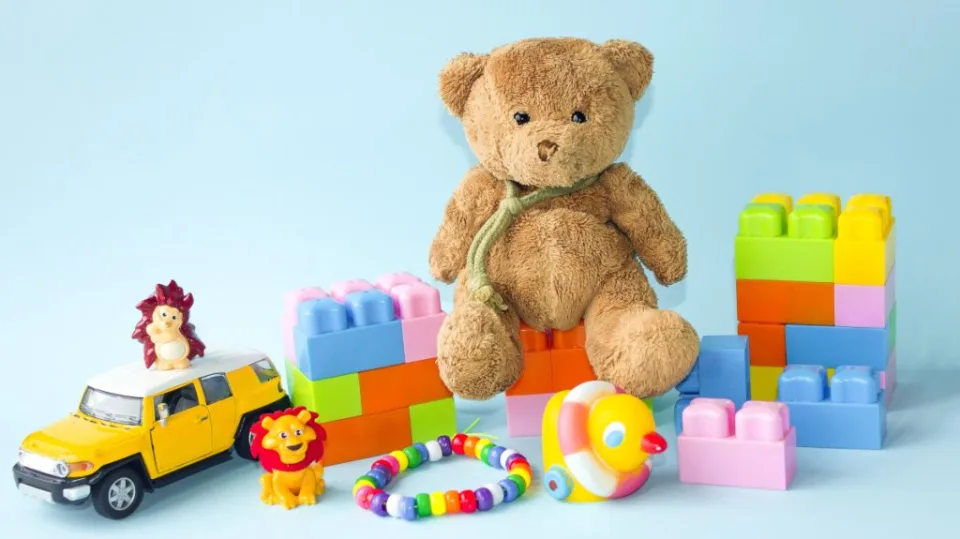
- Building Blocks and Construction Sets: These classics, ranging from wooden blocks to intricate LEGO systems, are fundamental for developing spatial reasoning, fine motor skills, and creativity. Children learn about balance, structure, and cause-and-effect as they construct towers, vehicles, and imaginative worlds. They also foster problem-solving skills as they figure out how to make their creations stable and aesthetically pleasing.
- Puzzles: From simple peg puzzles for toddlers to complex jigsaw puzzles for older children, puzzles are excellent for developing problem-solving skills, spatial awareness, and patience. They also enhance hand-eye coordination and visual discrimination as children learn to identify shapes, colors, and patterns.
- Science and Experiment Kits: These kits introduce children to scientific principles through hands-on activities. Whether it's a volcano-making kit, a crystal-growing set, or a simple circuit experiment, these toys encourage curiosity, scientific inquiry, and an understanding of the natural world. They often involve following instructions, which also builds sequencing skills.
- Learning Games and Apps: While physical toys have their undeniable charm, educational apps and digital games can also be powerful learning tools when used mindfully. They often offer interactive lessons in math, reading, logic, and more, providing immediate feedback and personalized learning paths. It's crucial to select age-appropriate and well-designed apps that prioritize learning over passive entertainment.
- Coding Toys: As technology becomes increasingly integrated into our lives, coding toys are gaining popularity. These toys introduce fundamental programming concepts through playful activities, often involving robots that can be programmed to move, speak, or perform tasks. They foster logical thinking, computational skills, and problem-solving in a fun, accessible way.
Considerations for Educational Toys:
- Age Appropriateness: Ensure the toy's complexity and learning objectives match the child's developmental stage.
- Durability and Safety: Opt for toys made from sturdy, non-toxic materials that can withstand repeated use.
- Engagement Factor: The best educational toys are those that children genuinely enjoy playing with, making learning feel like an adventure.
- Open-Ended Play: While some educational toys have specific outcomes, those that encourage open-ended exploration and creativity often have longer-lasting appeal and broader developmental benefits.
Creative and Imaginative Toys: Fueling the Inner Artist and Storyteller
Creative and imaginative toys are the bedrock of childhood play, allowing children to express themselves, explore different roles, and build their own unique narratives. These toys encourage divergent thinking, emotional expression, and the development of a strong sense of self.
Types of Creative and Imaginative Toys:
- Art Supplies: Crayons, markers, paints, clay, and paper are the essential tools for artistic expression. They allow children to translate their thoughts and feelings into visual forms, developing fine motor skills, color recognition, and an understanding of texture and form.
- Dress-Up Clothes and Role-Playing Accessories: Costumes, play kitchens, doctor kits, and toy tools transform children into different characters and professionals. This type of play is crucial for developing social skills, empathy, and understanding of different perspectives as children step into the shoes of others.
- Dolls and Action Figures: These figures serve as characters in the stories children create. They facilitate imaginative play, allowing children to explore relationships, emotions, and social scenarios. The variety of dolls and figures available also allows for representation and the exploration of diverse identities.
- Puppets: Puppets offer a unique avenue for storytelling and dramatic play. Children can use them to act out stories, practice conversations, and explore different emotions in a safe and playful way.
- Play-Doh and Modeling Clay: These tactile materials are fantastic for developing fine motor skills, hand strength, and creativity. Children can sculpt, shape, and mold their imaginations into tangible forms, learning about volume, shape, and texture.
Considerations for Creative and Imaginative Toys:
- Open-Ended Nature: The more a toy can be used in multiple ways, the greater its potential for fostering creativity.
- Encouraging Storytelling: Toys that provide a narrative framework or characters can inspire imaginative play.
- Sensory Exploration: Toys with varied textures, colors, and sounds can enhance sensory development.
- Safety: Ensure all art supplies are non-toxic and age-appropriate, and that small parts are not a choking hazard for younger children.
Active and Outdoor Toys: Promoting Physical Health and Exploration
In an age of increasing screen time, active and outdoor toys are more important than ever for promoting physical health, coordination, and a connection with nature. These toys encourage gross motor skill development, cardiovascular health, and a sense of adventure.
Types of Active and Outdoor Toys:
- Balls: From simple playground balls to specialized sports balls, throwing, catching, and kicking a ball are fundamental activities that improve hand-eye coordination, gross motor skills, and spatial awareness.
- Ride-On Toys: Tricycles, scooters, balance bikes, and wagons encourage balance, coordination, and leg strength. They provide a sense of independence and allow children to explore their surroundings.
- Sports Equipment: Age-appropriate sets for soccer, basketball, tennis, or even mini-golf introduce children to sports, promoting teamwork, healthy competition, and physical fitness.
- Outdoor Exploration Tools: Magnifying glasses, bug nets, binoculars, and gardening tools encourage curiosity about the natural world, fostering observation skills and an appreciation for the environment.
- Climbing Structures and Playhouses: These larger toys provide opportunities for physical challenge, imaginative play, and social interaction. They promote balance, strength, and problem-solving as children navigate their environment.
Considerations for Active and Outdoor Toys:
- Safety Features: Ensure equipment is sturdy, well-maintained, and meets safety standards. Helmets and protective gear are essential for many activities.
- Durability: Outdoor toys need to withstand various weather conditions and vigorous play.
- Space Requirements: Consider the available outdoor space when choosing larger items like playhouses or climbing frames.
- Encouraging Movement: The primary goal is to get children moving and exploring their physical capabilities.
Social and Emotional Development Toys: Fostering Empathy and Connection
Toys that facilitate social interaction and emotional exploration are crucial for developing empathy, communication skills, and a healthy understanding of oneself and others. These toys often involve collaboration, role-playing, and imaginative scenarios that mirror real-life situations.
Types of Social and Emotional Development Toys:
- Board Games and Card Games: These games teach valuable lessons in taking turns, following rules, strategizing, and handling both winning and losing gracefully. They also foster communication and cooperation.
- Cooperative Play Toys: Toys that require children to work together to achieve a common goal, such as building a large structure or completing a complex puzzle as a team, are excellent for developing collaboration and communication skills.
- Puppet Theaters and Storytelling Kits: As mentioned earlier, these can be powerful tools for exploring emotions and social dynamics through character interaction.
- "Pretend Play" Scenarios: Play kitchens, doctor's offices, and toy stores allow children to practice social roles, learn about cause and effect in social interactions, and develop empathy by understanding the needs and feelings of others.
- Building Toys (Collaborative): While building toys can be individual pursuits, they also offer excellent opportunities for collaborative building, where children must negotiate ideas, share resources, and work together to create something larger than they could alone.
Considerations for Social and Emotional Development Toys:
- Encouraging Interaction: Toys that naturally lend themselves to group play or require communication are ideal.
- Promoting Empathy: Role-playing scenarios that allow children to step into different perspectives are highly beneficial.
- Teaching Rule-Following: Games with clear rules help children understand structure and fairness.
- Facilitating Emotional Expression: Toys that provide outlets for children to express their feelings, whether through art, drama, or storytelling, are valuable.
Technology and Gadget Toys: Navigating the Digital Frontier
Technology-driven toys are an undeniable part of the modern childhood landscape. When chosen wisely, they can offer engaging learning experiences, develop digital literacy, and foster problem-solving skills in new and exciting ways. However, it's crucial to approach these with a balanced perspective, prioritizing interactive and educational content over passive consumption.
Types of Technology and Gadget Toys:
- Interactive Learning Tablets and Devices: These devices offer a curated selection of educational apps, games, and e-books designed to teach a variety of subjects. Look for devices with robust parental controls and content that is age-appropriate and engaging.
- Robotics Kits: Beyond basic coding toys, more advanced robotics kits allow children to build and program robots, fostering an understanding of engineering, mechanics, and programming. These often involve problem-solving and iterative design.
- Augmented Reality (AR) and Virtual Reality (VR) Toys: While still emerging, AR and VR toys can offer immersive learning experiences, bringing subjects to life in new ways. These are often best suited for older children and require careful supervision.
- Smart Toys: These toys can connect to the internet or other devices, offering interactive features, personalized experiences, and even opportunities for remote play. It's essential to research the privacy and security features of any smart toy.
- Drones and Remote-Controlled Vehicles: These toys develop fine motor skills, spatial reasoning, and an understanding of physics and control systems. They can be incredibly engaging for children interested in engineering and mechanics.
Considerations for Technology and Gadget Toys:
- Educational Value: Prioritize toys that offer genuine learning opportunities rather than just entertainment.
- Parental Controls and Safety: Ensure the device has robust controls to manage screen time, content, and online interactions.
- Durability and Longevity: Technology can be fragile; choose well-built devices and consider warranties.
- Balance with Physical Play: It's crucial to ensure that technology toys supplement, rather than replace, active, creative, and social play.
- Age Appropriateness: The complexity of interfaces and content should match the child's cognitive abilities.
Comparing Toy Categories: A Quick Reference Table
To help you visualize the strengths of each category, here's a comparative table:
| Toy Category | Primary Developmental Focus | Key Skills Developed | Ideal Age Range (General) | Considerations |
|---|---|---|---|---|
| Educational Toys | Cognitive Development, Knowledge Acquisition | Problem-solving, critical thinking, logic, spatial reasoning, fine motor skills | 0-12+ years | Age appropriateness, durability, engagement, open-endedness |
| Creative & Imaginative Toys | Creativity, Self-Expression, Emotional Development | Imagination, storytelling, fine motor skills, emotional intelligence, social role-playing | 1-10+ years | Open-ended nature, encouraging storytelling, sensory exploration, safety |
| Active & Outdoor Toys | Physical Development, Gross Motor Skills, Health | Gross motor skills, coordination, balance, cardiovascular health, spatial awareness | 1-12+ years | Safety features, durability, space requirements, encouraging movement |
| Social & Emotional Development Toys | Social Skills, Empathy, Emotional Intelligence | Cooperation, communication, turn-taking, empathy, rule-following, emotional regulation | 2-10+ years | Encouraging interaction, promoting empathy, teaching rule-following, facilitating emotional expression |
| Technology & Gadget Toys | Digital Literacy, Logic, Problem-Solving (Digital) | Logic, problem-solving, digital literacy, fine motor skills (interface interaction), STEM concepts | 4-12+ years | Educational value, parental controls, safety, balance with physical play, age appropriateness |
Making the Right Choice: A Holistic Approach to Toy Selection
Ultimately, the "best" toys are not found in a single category but rather in a balanced and thoughtful selection that caters to a child's individual needs and interests. Consider the following principles when making your choices:
- Know Your Child: Observe their current interests, their strengths, and areas where they might benefit from extra support. A child who loves to build will thrive with construction sets, while a shy child might benefit from toys that encourage imaginative role-playing.
- Prioritize Open-Ended Play: Toys that can be used in multiple ways and allow for child-led exploration often have the greatest developmental impact and the longest lifespan. Think of a simple cardboard box – it can be a car, a house, a spaceship, or anything else a child can imagine.
- Balance is Key: Aim for a diverse collection of toys that stimulate different aspects of development. Don't let one category dominate. Ensure there's a healthy mix of active play, creative endeavors, learning opportunities, and social interaction.
- Consider Longevity: While trendy toys can be exciting, invest in toys that will grow with your child or can be passed down. Classic toys like building blocks, puzzles, and art supplies often have enduring appeal.
- Safety First: Always prioritize toys that are made from non-toxic materials and are age-appropriate to avoid choking hazards or other dangers. Read reviews and check for safety certifications.
- The Power of Your Involvement: The most valuable "toy" is often your own time and engagement. Playing with your child, engaging in their imaginative worlds, and guiding their learning experiences significantly enhances the value of any toy.
By understanding the unique contributions of each toy category and adopting a holistic approach to selection, you can ensure that the toys you choose are not just sources of entertainment but powerful tools that nurture your child's growth, creativity, and overall well-being. The journey of play is a continuous adventure, and with the right toys, you can help make it an enriching and unforgettable one.