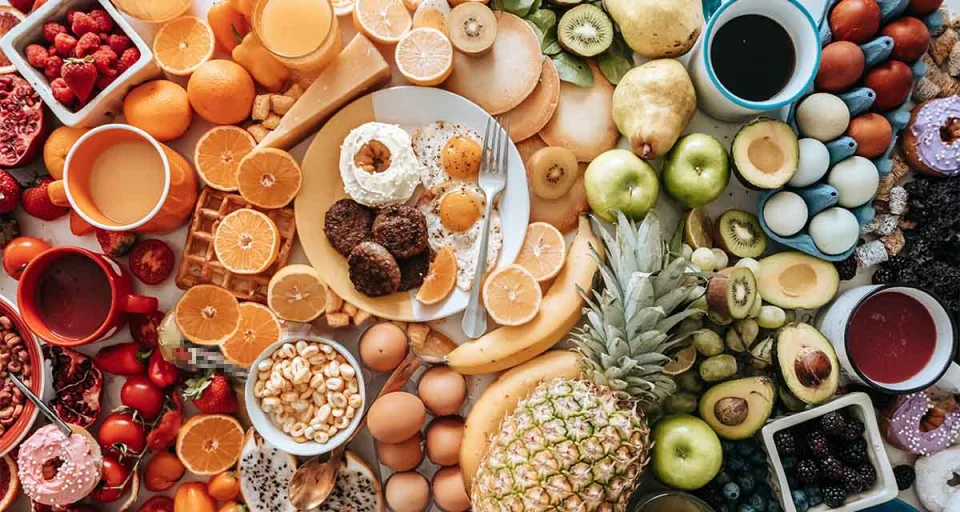
The Ultimate Food & Beverage Buying Guide: Navigating a World of Flavor and Nutrition
The realm of food and beverages is as vast and diverse as the world itself, offering an endless array of tastes, textures, and nutritional profiles. Whether you're a seasoned gourmand seeking the next culinary adventure or a health-conscious individual prioritizing well-being, making informed choices within this category can significantly impact your health, budget, and overall satisfaction. This comprehensive guide is designed to equip you with the knowledge and strategies to navigate the dynamic landscape of food and beverages, from understanding ingredient labels to discovering emerging trends and making mindful purchasing decisions.
Understanding the Food & Beverage Landscape
Before diving into specific purchasing advice, it's crucial to grasp the broad spectrum of products available. The food and beverage industry encompasses everything we consume, from staple groceries to artisanal delicacies, from refreshing drinks to indulgent treats. This vastness can be overwhelming, but by breaking it down into key sub-categories, we can begin to make sense of it all.
Staple Foods: The Foundation of Your Diet
These are the core components of most meals, forming the basis of our daily caloric intake. Understanding their quality and sourcing is paramount.
- Grains: Rice, pasta, bread, oats, quinoa, and barley. Consider whole grain options for increased fiber and nutrients.
- Proteins: Meat, poultry, fish, eggs, dairy, legumes (beans, lentils), tofu, and tempeh. Opt for lean proteins and explore plant-based alternatives.
- Vegetables: A wide variety of leafy greens, root vegetables, cruciferous vegetables, and more. Fresh, frozen, and canned options all have their place.
- Fruits: Berries, citrus fruits, tropical fruits, and orchard fruits. Seasonal fruits often offer the best flavor and value.
- Dairy & Alternatives: Milk, yogurt, cheese, and their plant-based counterparts (almond, soy, oat milk).
Beverages: Hydration and Indulgence
Beyond water, the beverage market is a complex ecosystem of options, each with its own characteristics and potential impacts.
- Water: Still, sparkling, flavored, and mineral water. The most essential beverage for life.
- Juices: Fruit and vegetable juices. Look for 100% juice with no added sugars.
- Teas: Black, green, herbal, oolong, and white teas. Each offers unique flavors and potential health benefits.
- Coffees: Arabica, Robusta, blends, and single-origin beans. Consider roast levels and brewing methods.
- Soft Drinks: Carbonated beverages, often high in sugar. Diet and zero-sugar options are also available.
- Alcoholic Beverages: Beer, wine, spirits. Consume responsibly.
Packaged & Processed Foods: Convenience and Variety
These items offer convenience and extended shelf life but often come with added ingredients to consider.
- Snacks: Chips, crackers, cookies, nuts, dried fruits, and snack bars.
- Canned Goods: Soups, vegetables, fruits, and ready-to-eat meals.
- Frozen Foods: Ready meals, vegetables, fruits, and desserts.
- Condiments & Sauces: Ketchup, mustard, mayonnaise, soy sauce, hot sauces.
Specialty & Gourmet Items: Exploring Unique Flavors
This category includes items that cater to specific tastes, dietary needs, or culinary explorations.
- Artisanal Cheeses
- Imported Spices & Herbs
- Exotic Fruits & Vegetables
- Gluten-Free, Vegan, or Organic Products
- Specialty Coffee Beans & Loose Leaf Teas
Decoding Food & Beverage Labels: Your First Line of Defense
The information presented on food and beverage packaging is critical for making informed decisions. Understanding key components of a label empowers you to assess nutritional value, identify potential allergens, and avoid unwanted ingredients.
The Nutrition Facts Panel: A Nutritional Snapshot
This standardized panel provides essential information about the nutritional content of a serving.
- Serving Size: This is the most crucial element. All other values on the panel are based on this size. Be mindful if your consumption differs from the stated serving size.
- Calories: The energy provided by one serving.
- Macronutrients:
- Total Fat: Includes saturated and trans fats. Aim to limit saturated and trans fats.
- Cholesterol: Found in animal products.
- Sodium: Essential in moderation, but excessive intake is linked to health issues.
- Total Carbohydrate: Includes dietary fiber and sugars.
- Dietary Fiber: Important for digestive health.
- Total Sugars: Includes naturally occurring and added sugars. Pay close attention to "Added Sugars."
- Protein: Essential for building and repairing tissues.
- Micronutrients: Vitamins and minerals, often listed as percentages of the Daily Value (%DV).
- % Daily Value (%DV): Indicates how much a nutrient in a serving of food contributes to a daily diet. 5% DV or less is considered low, and 20% DV or more is considered high.
The Ingredient List: What's Really Inside?
Ingredients are listed in descending order by weight. The first few ingredients make up the bulk of the product.
- Identify Whole Foods: Look for recognizable, unprocessed ingredients at the top of the list.
- Watch Out for Added Sugars: Sugar can be listed under many names (e.g., high-fructose corn syrup, sucrose, dextrose, maltose, molasses).
- Beware of Artificial Ingredients: Artificial colors, flavors, and preservatives.
- Recognize Allergens: Common allergens like milk, eggs, peanuts, tree nuts, soy, wheat, fish, and shellfish are usually clearly identified.
Allergen Statements & Certifications
Pay close attention to "Contains" statements for major allergens. Certifications like USDA Organic, Non-GMO Project Verified, Gluten-Free, and Fair Trade can indicate specific product qualities and ethical sourcing.
Tips for Smart Food & Beverage Shopping
Making conscious choices at the grocery store or market can lead to better health outcomes, cost savings, and a more sustainable lifestyle.
Plan Your Meals and Make a List
This is perhaps the most effective strategy to avoid impulse purchases and ensure you buy what you need. A well-thought-out meal plan also helps reduce food waste.
Buy in Season
Fruits and vegetables are often at their peak flavor, nutritional value, and price when purchased in season. This also supports local farmers and reduces transportation emissions.
Compare Unit Prices
Don't just look at the total price. Compare the price per ounce, pound, or liter to determine the best value, especially when comparing different sizes of the same product or similar products from different brands.
Read Reviews and Research (When Necessary)
For specialty items, new products, or when trying something unfamiliar, a quick online search for reviews or nutritional information can be beneficial.
Prioritize Whole, Unprocessed Foods
Build your diet around ingredients that are as close to their natural state as possible. This generally means fewer additives, less sugar, and more nutrients.
Consider Frozen and Canned Options
Frozen fruits and vegetables are often picked at peak ripeness and flash-frozen, preserving nutrients. Canned goods can be a convenient and affordable option, but opt for those packed in water or their own juice with no added salt.
Be Wary of Marketing Claims
Words like "natural," "healthy," or "light" can be misleading. Always refer to the Nutrition Facts panel and ingredient list for objective information.
Shop the Perimeter of the Store
Grocery stores often place fresh produce, dairy, and meats along the outer walls, while the inner aisles are typically filled with more processed and packaged goods.
Buy in Bulk (Wisely)
For non-perishable items you use regularly, buying in bulk can save money. However, ensure you have adequate storage and will use the product before it spoils.
Explore Different Retailers
Farmers' markets, ethnic grocery stores, discount grocers, and online retailers can offer unique products and better prices.
Exploring Trends in the Food & Beverage Industry
The food and beverage world is constantly evolving, with new trends emerging that reflect changing consumer preferences, health concerns, and technological advancements.
Plant-Based Diets and Alternatives
The popularity of vegan, vegetarian, and flexitarian diets continues to surge, driving innovation in plant-based meat, dairy, and egg alternatives. Consumers are seeking delicious and sustainable options that mimic traditional animal products.
Functional Foods and Beverages
Products fortified with vitamins, minerals, probiotics, prebiotics, adaptogens, and other beneficial compounds are gaining traction. Consumers are looking for foods and drinks that offer more than just sustenance, aiming to support specific health goals like gut health, immunity, and stress reduction.
Sustainability and Ethical Sourcing
Consumers are increasingly concerned about the environmental and social impact of their food choices. This includes a demand for ethically sourced ingredients, reduced packaging waste, support for local producers, and products with a lower carbon footprint.
Personalized Nutrition
Leveraging technology and data, personalized nutrition aims to tailor dietary recommendations and products to an individual's unique genetic makeup, lifestyle, and health goals. This is still an emerging area but holds significant promise.
Convenience and Ready-to-Eat Solutions
Despite a growing interest in home cooking, the demand for convenient, healthy, and ready-to-eat meals, meal kits, and snacks remains strong. This caters to busy lifestyles.
Global Flavors and Fusion Cuisine
Consumers are eager to explore diverse culinary traditions. This trend is evident in the popularity of international ingredients, spices, and the creative fusion of different cuisines.
Low-Sugar and Natural Sweeteners
With growing awareness of the health implications of excessive sugar consumption, there's a significant shift towards products with reduced sugar content and the use of natural sweeteners like stevia, monk fruit, and erythritol.
Making Healthier Choices in Specific Sub-Categories
Let's delve into some specific advice for navigating common food and beverage sub-categories.
Beverages: Beyond the Basics
Water
The simplest and most essential. If you find plain water boring, try infusing it with fruits like lemon, cucumber, or berries. Sparkling water is a great alternative to sugary sodas.
Juices
Opt for 100% fruit or vegetable juice with no added sugars. Be mindful of portion sizes, as even 100% juice can be high in natural sugars. Consider blending whole fruits and vegetables for a more fiber-rich option.
Teas and Coffees
These are generally healthy choices, especially when consumed without excessive sugar or cream. Green tea is renowned for its antioxidants, while black tea can provide a caffeine boost. Experiment with different herbal teas for a variety of flavors and potential health benefits.
Soft Drinks and Sweetened Beverages
Limit intake of these due to high sugar content. If you crave carbonation, opt for sparkling water. If you consume diet versions, be aware of artificial sweeteners and their potential long-term effects, though they are generally considered safe by regulatory bodies.
Snacks: Fueling Between Meals
Nuts and Seeds
An excellent source of healthy fats, protein, and fiber. Choose unsalted and unroasted varieties when possible. Portion control is key due to their calorie density.
Fruits and Vegetables
Fresh or frozen fruits and vegetables are ideal. Carrot sticks with hummus, apple slices with a small amount of nut butter, or a handful of berries are nutritious choices.
Yogurt
Plain yogurt (Greek yogurt is particularly high in protein) is a good option. Add fresh fruit or a drizzle of honey for sweetness. Avoid yogurts with excessive added sugars and artificial flavors.
Whole-Grain Crackers and Rice Cakes
Pair with healthy toppings like avocado, lean protein, or cheese. Choose options with minimal added sugars and sodium.
Dairy and Alternatives: Calcium and More
Milk
Choose low-fat or skim milk for reduced saturated fat. For plant-based alternatives, look for unsweetened varieties fortified with calcium and Vitamin D. Compare nutritional profiles, as they can vary significantly.
Yogurt
As mentioned, plain and Greek yogurts are excellent. Probiotic-rich yogurts can support gut health.
Cheese
Cheese can be a good source of calcium and protein, but it's also high in fat and sodium. Opt for smaller portions or lower-fat varieties. Explore artisanal cheeses for unique flavors and experiences.
Meats, Poultry, and Fish: Protein Powerhouses
Lean Meats
Choose cuts like chicken breast, turkey breast, lean beef (sirloin, round), and pork loin. Trim visible fat before cooking.
Fish
Fatty fish like salmon, mackerel, and sardines are rich in omega-3 fatty acids, beneficial for heart and brain health. Aim for at least two servings of fish per week.
Plant-Based Proteins
Legumes (beans, lentils, chickpeas), tofu, tempeh, and edamame are excellent sources of protein and fiber. They are also more environmentally sustainable than animal proteins.
A Comparative Table of Common Food & Beverage Choices
This table provides a general overview of common choices, highlighting key nutritional considerations. Remember to always check individual product labels for precise information.
| Category | Common Example | Key Nutritional Considerations | Healthier Choices/Tips |
|---|---|---|---|
| Beverages | Sugary Soda | High in added sugars, empty calories, no nutritional value. | Sparkling water, infused water, unsweetened tea. |
| 100% Fruit Juice | High in natural sugars, can lack fiber compared to whole fruit. | Consume in moderation, dilute with water, prioritize whole fruits. | |
| Snacks | Potato Chips | High in fat (often unhealthy), sodium, and calories. Low in nutrients. | Nuts (unsalted), seeds, air-popped popcorn, fruits, vegetables. |
| Candy Bars | Very high in added sugars, unhealthy fats, and calories. | Dark chocolate (in moderation), dried fruit (unsweetened), fruit leather. | |
| Dairy | Full-Fat Ice Cream | High in saturated fat, added sugars, and calories. | Frozen yogurt (low-fat, plain), fruit sorbet, homemade fruit "nice" cream. |
| Flavored, Sugary Yogurt | Often contains significant added sugars and artificial ingredients. | Plain yogurt (Greek or regular) with fresh fruit, unsweetened plant-based yogurts. | |
| Main Course Components | Processed Sausages | High in sodium, saturated fat, and often contain nitrates/nitrites. | Lean poultry, fish, lean cuts of beef or pork, legumes. |
| White Bread | Low in fiber and nutrients compared to whole grains. | Whole wheat bread, whole grain bread, sourdough. |
Conclusion: Empowering Your Food & Beverage Journey
Navigating the world of food and beverages is an ongoing process of learning and adaptation. By understanding the fundamentals of nutrition labels, staying informed about emerging trends, and employing smart shopping strategies, you can make choices that align with your health goals, dietary preferences, and values. Remember that balance and moderation are key. Embrace the diversity of flavors and options available, and enjoy the journey of discovering delicious and nourishing food and drinks that contribute to your overall well-being.