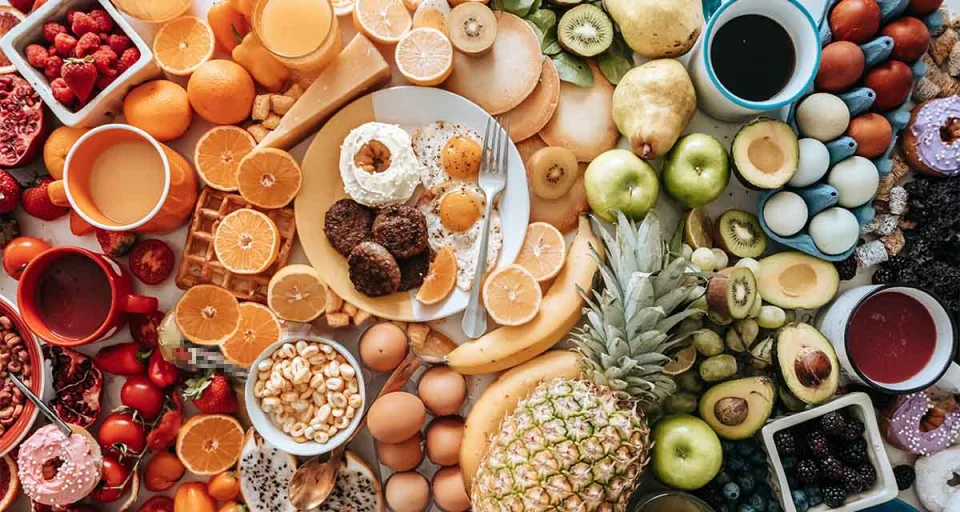
The Ultimate Food & Beverages Buying Guide: Navigating Choices for Health, Taste, and Sustainability
The world of food and beverages is a vibrant, ever-evolving landscape, offering an incredible array of choices to tantalize our taste buds, nourish our bodies, and even reflect our values. From the morning coffee that kickstarts our day to the celebratory meal shared with loved ones, the decisions we make about what we consume have a profound impact on our well-being and the planet. This comprehensive guide is designed to empower you to navigate this diverse category with confidence, making informed choices that align with your health goals, flavor preferences, and ethical considerations.
Understanding the Food & Beverages Landscape
Before diving into specific product categories, it's essential to grasp the breadth of the Food & Beverages sector. This encompasses everything we eat and drink, from raw ingredients to highly processed items, and covers a vast spectrum of origins, production methods, and nutritional profiles. Understanding these fundamental aspects will form the bedrock of your purchasing decisions.
Key Sub-Categories and Considerations
The Food & Beverages category can be broadly segmented, each with its own unique characteristics and consumer considerations:
- Fresh Produce: Fruits, vegetables, and herbs. Focus on seasonality, ripeness, and organic or conventionally grown options.
- Dairy & Alternatives: Milk, cheese, yogurt, and plant-based alternatives. Consider fat content, lactose intolerance, and environmental impact.
- Proteins: Meat, poultry, fish, eggs, legumes, and tofu. Factors include sourcing, ethical farming practices, and nutritional value.
- Grains & Baked Goods: Bread, pasta, rice, cereals, and baked treats. Look for whole grains, refined grains, and gluten-free options.
- Snacks: Chips, crackers, nuts, seeds, and energy bars. Evaluate sugar content, sodium levels, and overall nutritional density.
- Beverages: Water, juices, sodas, tea, coffee, and alcoholic drinks. Consider hydration, sugar intake, caffeine levels, and moderation.
- Pantry Staples: Oils, vinegars, spices, sauces, and condiments. These form the foundation of many meals and can significantly impact flavor.
- Frozen Foods: Prepared meals, frozen fruits/vegetables, and ice cream. Convenience versus freshness and nutritional content are key trade-offs.
- Confectionery: Chocolates, candies, and sweets. Primarily for indulgence, focus on ingredient quality and portion control.
The Importance of Food Labels
Food labels are your most valuable tool for making informed decisions. Understanding how to read and interpret them is crucial.
Key Information to Look For:
- Nutrition Facts Panel: This is paramount. Pay attention to serving size, calories, macronutrients (fat, carbohydrates, protein), sugar, sodium, and fiber.
- Ingredient List: Ingredients are listed in descending order by weight. Shorter ingredient lists often indicate less processed foods. Look for whole, recognizable ingredients.
- Allergen Information: Crucial for individuals with food allergies or sensitivities.
- "Best By" or "Use By" Dates: Understand the difference between quality indicators and safety deadlines.
- Certifications: Organic, Fair Trade, Non-GMO Project Verified, Kosher, Halal – these indicate adherence to specific standards.
Prioritizing Health and Nutrition
In today's health-conscious world, making nutritious food and beverage choices is a top priority for many consumers. This section delves into how to select products that support a healthy lifestyle.
Decoding Nutritional Needs
Understanding your body's needs is the first step. Whether you're aiming for weight management, increased energy, or specific dietary goals, consider these aspects:
- Macronutrients: Balance carbohydrates, proteins, and fats. Prioritize complex carbohydrates, lean proteins, and healthy fats.
- Micronutrients: Vitamins and minerals are essential for various bodily functions. Ensure your diet is rich in a variety of fruits, vegetables, and whole foods.
- Fiber: Crucial for digestive health and satiety. Whole grains, fruits, vegetables, and legumes are excellent sources.
- Sugar Content: Be mindful of added sugars, which can contribute to various health issues. Opt for products with lower sugar content or natural sweeteners in moderation.
- Sodium Levels: Excessive sodium intake can lead to high blood pressure. Choose low-sodium options and limit processed foods.
Choosing Healthy Beverages
What you drink is just as important as what you eat. Hydration and mindful beverage choices are key.
- Water: The ultimate healthy beverage. Opt for plain water, sparkling water, or water infused with natural flavors.
- Unsweetened Teas and Coffees: Offer antioxidants and can be enjoyed without added sugar.
- 100% Fruit Juices (in moderation): While they contain vitamins, they are also high in natural sugars. Dilute with water or consume in small portions.
- Milk and Fortified Plant-Based Milks: Provide calcium and vitamin D. Choose options with minimal added sugar.
- Limit Sugary Drinks: Sodas, sweetened juices, and energy drinks are often high in empty calories and offer little nutritional value.
Understanding Dietary Trends and Lifestyles
The food landscape is influenced by various dietary trends and lifestyles. Being aware of these can help you make choices that align with your personal philosophy.
Popular Dietary Approaches:
- Vegetarian/Vegan: Eliminating or significantly reducing animal products. Focus on plant-based protein sources like legumes, tofu, tempeh, and nuts.
- Gluten-Free: For individuals with celiac disease or gluten sensitivity. Look for certified gluten-free products.
- Keto/Low-Carb: Emphasizing high fat, moderate protein, and very low carbohydrate intake.
- Paleo: Focusing on foods presumed to have been available to Paleolithic humans.
- Mediterranean Diet: Rich in fruits, vegetables, whole grains, legumes, nuts, seeds, olive oil, and fish.
Exploring Flavor and Culinary Experiences
Beyond nutrition, the enjoyment of food and beverages is paramount. This section focuses on enhancing your culinary experiences through thoughtful selection.
The Art of Ingredient Selection
The quality of your ingredients directly impacts the final taste of your dishes. Whether you're a seasoned chef or a beginner cook, paying attention to ingredient quality can elevate your meals.
Tips for Selecting Quality Ingredients:
- Freshness: For produce, look for vibrant colors, firm textures, and a pleasant aroma. For meats and fish, ensure they look fresh and have no off-putting odors.
- Seasonality: Seasonal produce is often at its peak flavor and nutritional value, and can be more affordable.
- Origin: Consider where your food comes from. Local sourcing can mean fresher products and support for your community.
- Variety: Don't be afraid to experiment with different types of fruits, vegetables, grains, and proteins to discover new flavors and textures.
Beverage Pairings and Enhancements
The right beverage can significantly enhance a meal or a moment. Understanding pairings can elevate your dining experience.
Examples of Beverage Pairings:
- Water: A versatile pairing for almost any meal, especially those with delicate flavors.
- Wine: Classic pairings with food, with rules of thumb like "white with fish, red with meat," though modern approaches are more flexible.
- Beer: Offers a wide range of flavors and styles that can complement various dishes.
- Tea: From delicate green teas to robust black teas, each can offer unique flavor profiles to match different cuisines.
- Coffee: Can be enjoyed on its own or as a complement to desserts and rich dishes.
Exploring Global Flavors
The world of food and beverages is a tapestry of global influences. Embracing diverse cuisines can broaden your palate and introduce you to exciting new ingredients and preparation methods.
Tips for Exploring Global Flavors:
- Seek out authentic ingredients: Many ethnic grocery stores offer a wide range of specialty ingredients that can help you recreate dishes at home.
- Experiment with spices and herbs: These are often the key to unlocking distinct regional flavors.
- Learn about different cooking techniques: From stir-frying to slow-cooking, each technique brings out unique characteristics in food.
- Be adventurous: Don't be afraid to try new dishes and flavors, even if they seem unfamiliar.
Navigating the Sustainability and Ethical Landscape
Increasingly, consumers are considering the environmental and ethical implications of their food and beverage choices. This section explores how to make more sustainable and responsible purchases.
Understanding Food Sourcing and Production
Where your food comes from and how it's produced matters. Being aware of these factors can lead to more conscious consumption.
Key Sustainability Considerations:
- Local vs. Imported: Local food often has a smaller carbon footprint due to reduced transportation.
- Organic Farming: Minimizes the use of synthetic pesticides and fertilizers, promoting soil health and biodiversity.
- Sustainable Seafood: Look for certifications that indicate fish populations are managed responsibly and fishing methods minimize environmental damage.
- Ethical Meat Production: Consider terms like "free-range," "pasture-raised," and "grass-fed," which often indicate better animal welfare and environmental practices.
- Fair Trade: Ensures that producers in developing countries receive fair prices for their products and work under ethical conditions.
Reducing Food Waste
Food waste is a significant environmental issue. Making conscious choices can help mitigate this problem.
Strategies for Reducing Food Waste:
- Plan your meals: Buy only what you need to avoid overstocking your pantry and refrigerator.
- Proper storage: Learn how to store different foods correctly to maximize their shelf life.
- Utilize leftovers: Get creative with leftover ingredients to create new meals.
- Understand expiration dates: Differentiate between "best by" (quality) and "use by" (safety) dates.
- Composting: For unavoidable food scraps, consider composting to return nutrients to the soil.
The Rise of Plant-Based and Alternative Proteins
The demand for plant-based and alternative protein sources is growing, driven by health, environmental, and ethical concerns. These options offer a diverse range of nutritional benefits and culinary possibilities.
Types of Alternative Proteins:
- Legumes: Beans, lentils, chickpeas – excellent sources of protein, fiber, and various micronutrients.
- Tofu and Tempeh: Made from soybeans, these versatile ingredients can be used in a wide array of dishes.
- Seitan: A wheat-based protein that offers a chewy texture, often used as a meat substitute.
- Nuts and Seeds: Provide protein, healthy fats, and essential minerals.
- Cultured Meat and Fermented Proteins: Emerging technologies offering novel protein sources.
Making Smart Purchasing Decisions: A Practical Approach
Putting all this knowledge into practice requires a strategic approach to your shopping. Here's how to make your grocery trips more effective and aligned with your goals.
Creating a Shopping List
A well-planned shopping list is your first line of defense against impulse buys and ensures you get everything you need.
Elements of an Effective Shopping List:
- Meal Plan Integration: Base your list on your weekly meal plan to avoid unnecessary purchases.
- Categorization: Organize your list by store sections (produce, dairy, pantry, etc.) to save time.
- Quantity Estimation: Be realistic about how much of each item you'll need.
- Dietary Needs: Include specific items required for any dietary restrictions or preferences.
- Staples Check: Before finalizing, quickly check your pantry and refrigerator for items you're running low on.
Navigating the Supermarket
The supermarket layout can influence your purchasing habits. Being strategic can help you stick to your plan.
Tips for Smart Supermarket Shopping:
- Shop the Perimeter First: This is typically where you'll find fresh produce, dairy, and lean proteins – the healthiest options.
- Be Wary of Aisles: The inner aisles often contain more processed foods, snacks, and sugary items.
- Compare Prices: Look at unit prices (price per ounce, pound, etc.) to determine the best value, not just the sticker price.
- Read Labels in the Store: Don't rely solely on packaging claims. Double-check ingredient lists and nutrition facts.
- Avoid Shopping When Hungry: Hunger can lead to impulse purchases of less healthy, more tempting items.
Online Grocery Shopping: Pros and Cons
Online grocery shopping has become increasingly popular, offering convenience but also requiring a different approach to selection.
Considerations for Online Shopping:
- Pros: Convenience, time-saving, ability to compare prices easily, access to a wider variety of products.
- Cons: Inability to physically inspect produce or products, potential for substitutions, reliance on delivery slots, can still lead to impulse buys if not careful.
- Tips: Read product descriptions carefully, check reviews, and be specific with your requests for produce ripeness if the platform allows.
Conclusion: Empowering Your Food & Beverages Journey
The world of food and beverages is a dynamic and exciting one. By arming yourself with knowledge about nutrition, flavor, and sustainability, you can make choices that not only satisfy your palate but also contribute to your overall well-being and a healthier planet. Remember that every purchase is an opportunity to align your actions with your values. Embrace the journey of discovery, experiment with new ingredients and flavors, and most importantly, enjoy the delicious and nourishing experiences that the Food & Beverages category has to offer.