The Ultimate Guide to Choosing the Best Toys for Every Age and Developmental Stage
Choosing the right toy is more than just picking something colorful off a shelf. It is about selecting a tool that sparks imagination, encourages physical activity, and supports cognitive growth. With the toy market flooded with thousands of options—from high-tech gadgets to classic wooden blocks—parents and gift-givers often feel overwhelmed. This comprehensive guide will help you navigate the world of toys, ensuring you select items that are safe, engaging, and age-appropriate.
Understanding Developmental Milestones Through Play
Toys are the primary medium through which children explore the world. As they grow, their needs change, and the type of play they engage in evolves. Understanding these stages is the first step in becoming a savvy toy shopper.
Infants (0–12 Months): Sensory Exploration
At this stage, play is all about sensory input. Babies learn by touching, seeing, and hearing. Toys should be soft, easy to grasp, and visually stimulating. Look for items that encourage reaching, kicking, and rolling.
- High-contrast mobiles to track movement.
- Soft, textured books that are safe to chew.
- Activity gyms that encourage tummy time.
Toddlers (1–3 Years): Active Discovery
Toddlers are constantly on the move. They are mastering motor skills and beginning to understand cause-and-effect. Toys that allow them to stack, sort, push, and pull are essential for their physical and mental development.
Preschoolers (3–5 Years): Imaginative Play
This is the golden age of "make-believe." Preschoolers begin to engage in role-playing, which helps them process emotions and social scenarios. They also benefit from toys that challenge their fine motor skills, such as puzzles and art supplies.
A Quick Reference Guide for Age-Appropriate Toys
| Age Group | Primary Focus | Recommended Toy Types |
|---|---|---|
| 0–12 Months | Sensory & Motor Skills | Rattles, soft blocks, mirrors, musical toys |
| 1–3 Years | Physical Coordination | Push-pull toys, simple puzzles, building blocks |
| 3–5 Years | Creativity & Social Skills | Dress-up clothes, art kits, pretend play sets |
| 6–9 Years | Logic & Strategy | Board games, science kits, complex LEGO sets |
| 10+ Years | Hobbies & Interests | Coding robots, complex models, sports equipment |
Key Factors to Consider Before You Buy
Before heading to the checkout, consider these four pillars of toy selection: Safety, Durability, Engagement, and Value.
1. Safety First: Beyond the Label
Safety is non-negotiable. Always check the age recommendation on the packaging, but also use your own judgment. Avoid toys with small parts for children under three, as these pose a choking hazard. Ensure that paints are non-toxic and that the construction is sturdy enough to withstand rough handling.
2. The "Open-Ended" Rule
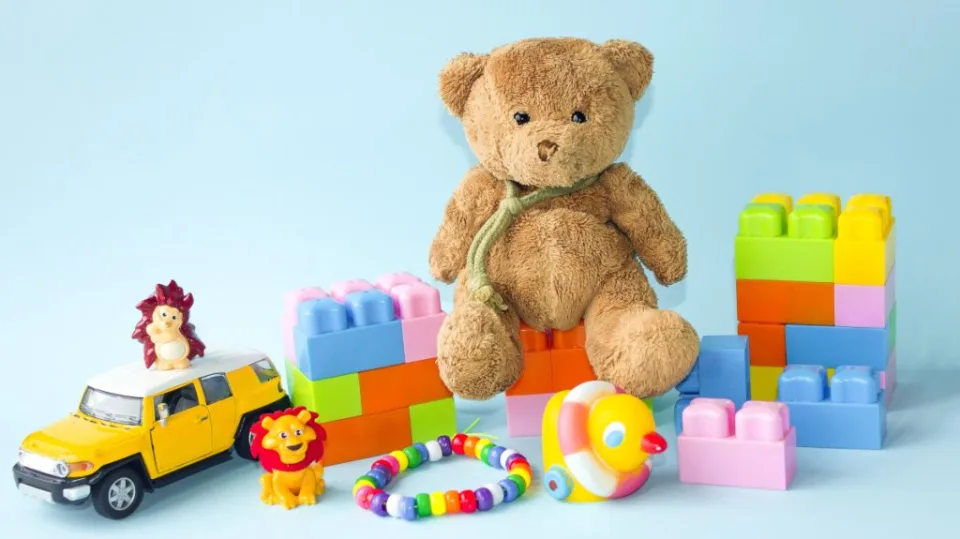
The best toys are those that can be played with in multiple ways. A classic set of wooden blocks is a perfect example; a child can build a castle today, a bridge tomorrow, and a spaceship the day after. Avoid toys that only do one thing, as these often lead to boredom within minutes of opening the box.
3. Quality Over Quantity
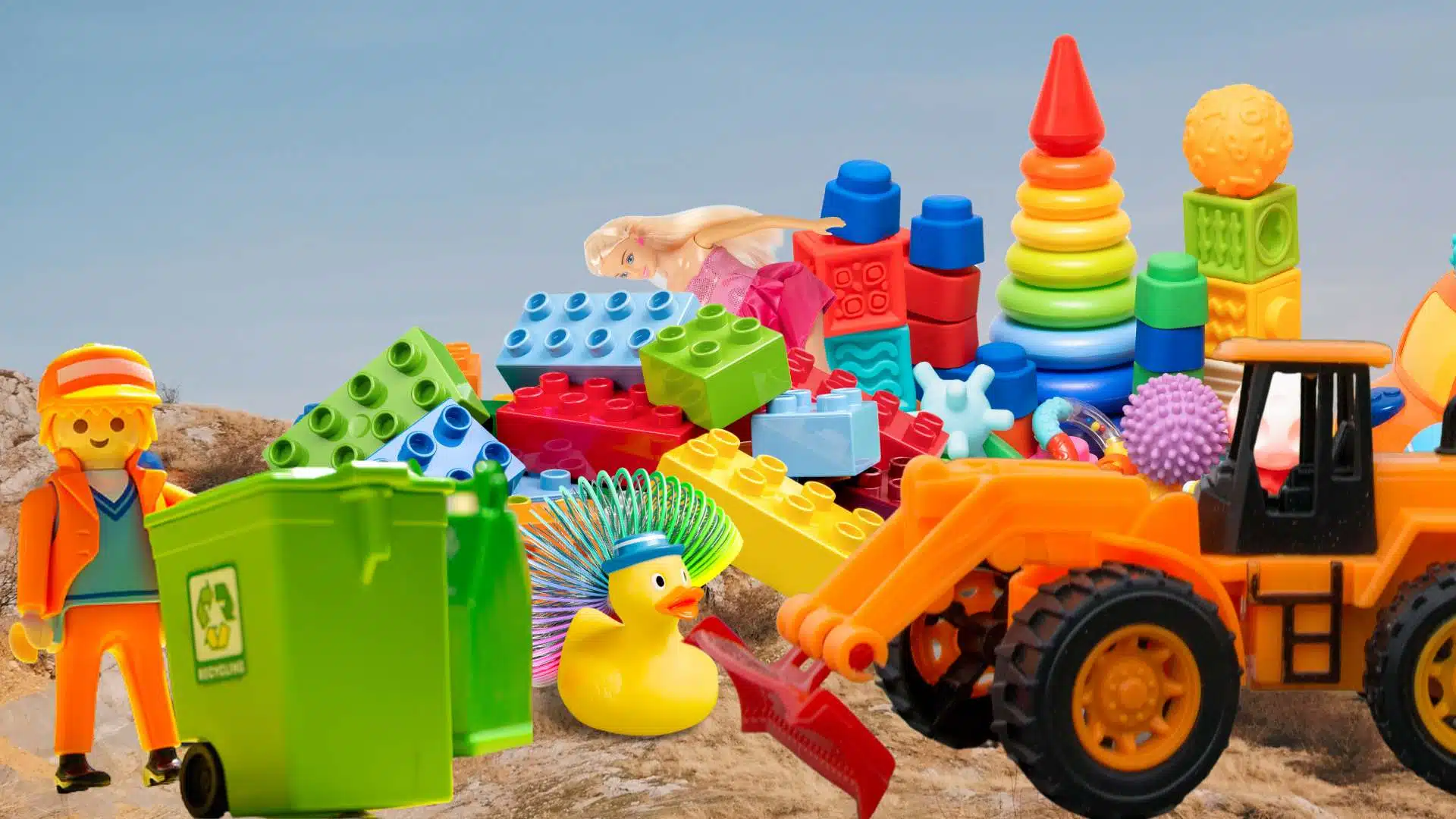
It is tempting to buy a mountain of cheap plastic toys, but these often break easily and end up in landfills. Investing in a few high-quality, durable items is better for the environment and better for the child’s long-term play experience. Look for materials like sustainably sourced wood, organic cotton, or high-grade recycled plastics.
Current Trends in the Toy Industry
The toy industry is constantly shifting, reflecting changes in technology and educational priorities. Here are the trends currently shaping how children play:
STEM and STEAM Toys
Science, Technology, Engineering, Arts, and Math (STEAM) toys are more popular than ever. These toys encourage problem-solving and critical thinking. Whether it is a simple marble run that teaches physics or a programmable robot that introduces basic coding, these toys bridge the gap between education and entertainment.
Eco-Friendly Play
Parents are increasingly conscious of the environmental impact of plastic waste. As a result, there is a surge in "green" toys. Manufacturers are moving toward biodegradable materials, plastic-free packaging, and companies that offer "take-back" programs to recycle old toys.
Mindfulness and Emotional Intelligence
Recognizing the importance of mental health, many modern toys are designed to help children identify and manage their emotions. From plush toys that help with calming techniques to card games that spark deep conversations about feelings, the focus is shifting toward emotional literacy.
How to Organize and Maintain Your Toy Collection
A cluttered playroom can actually discourage play. If a child cannot see their toys, they cannot play with them. Implementing a rotation system is a highly effective strategy for parents.
- The Rotation System: Store 70% of toys in bins in a closet. Every two weeks, swap them out. This makes "old" toys feel new again and keeps the play area manageable.
- Categorized Storage: Use clear bins to group toys by type (e.g., building blocks, action figures, art supplies). This encourages children to clean up and makes it easier to find specific pieces.
- Maintenance Checks: Once a month, go through the toy box. Remove broken items, check for loose parts, and sanitize hard plastic toys with mild soap.
Avoiding the "Tech Trap"
In a digital world, it is easy to default to screen-based toys. While tablets and interactive digital games have their place, they should not replace tactile, physical play. Research consistently shows that children develop better spatial awareness and creativity through physical manipulation of objects. Try to balance high-tech gifts with "low-tech" alternatives like board games, art sets, or outdoor sports equipment.
Final Thoughts: The Goal of Play
Ultimately, the goal of buying a toy is to provide a child with a tool for discovery. Whether you are buying a birthday gift for a toddler or a holiday present for a pre-teen, remember that the most successful toys are the ones that disappear into the background of the child’s imagination. When a toy stops being an object and starts being a catalyst for a story, a discovery, or a skill, you have chosen perfectly.
By following these guidelines—prioritizing safety, focusing on open-ended play, and considering the child's specific developmental stage—you can transform your toy shopping from a chore into an opportunity to fuel a child's growth and happiness. Happy playing!