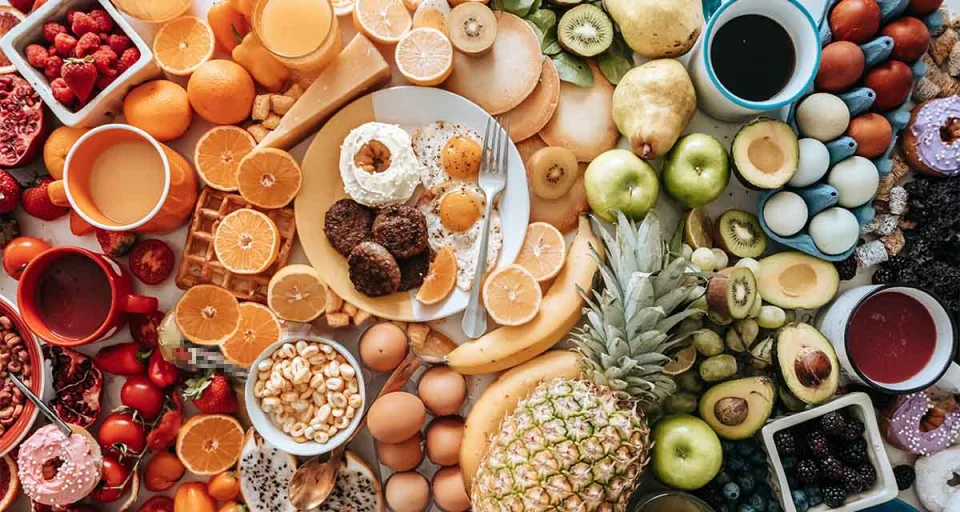
The Ultimate Guide to the Best Food & Beverages: Elevating Your Culinary Experience
In the modern world, the food and beverage industry has evolved far beyond simple sustenance. It has become an exploration of culture, health, and sensory pleasure. Whether you are a home cook looking to stock your pantry with the finest ingredients or a conscious consumer seeking the best beverages to pair with your meals, navigating the vast market can be overwhelming. This guide explores the best categories, product types, and selection criteria to help you curate the perfect culinary experience at home.
Understanding Quality in Food & Beverages
Before diving into specific product recommendations, it is essential to understand what defines "the best." Quality in the food and beverage sector is generally measured by three pillars: sourcing, processing, and nutritional integrity.
- Sourcing: The best products start with high-quality raw materials. Look for labels indicating organic, non-GMO, or fair-trade certifications, which often correlate with better farming practices.
- Processing: Minimal processing is usually superior. Products with fewer additives, preservatives, and artificial flavorings retain more natural nutrients and authentic flavors.
- Nutritional Integrity: High-quality food provides macro and micronutrients that support your body. Always check the ingredient list for hidden sugars or unhealthy fats.
Top Categories for Your Pantry and Kitchen
To build a high-quality food environment, you should focus on staple categories that serve as the foundation for most meals. Here are the categories that offer the most significant impact on your daily health and enjoyment.
1. Artisanal Oils and Vinegars
The backbone of any good kitchen is a high-quality oil and vinegar collection. Extra Virgin Olive Oil (EVOO) should be the centerpiece. Look for bottles that feature a harvest date and are stored in dark glass to protect the oil from light degradation. Pair these with aged balsamic vinegars or raw apple cider vinegar for the perfect salad dressing or marinade base.
2. Superfood Grains and Legumes
Moving beyond standard white rice, the best pantries are stocked with ancient grains like quinoa, farro, and amaranth. These provide superior fiber and protein content. Similarly, dried legumes—such as chickpeas, lentils, and black beans—are cost-effective, shelf-stable, and incredibly versatile for plant-based protein dishes.
3. Specialty Teas and Craft Coffees
Beverages play a crucial role in our daily routines. Investing in single-origin coffee beans or loose-leaf teas can drastically change your morning ritual. High-quality coffee should be roasted recently, while the best teas are typically whole-leaf, offering a more complex flavor profile than standard dust-grade tea bags.
Comparison of Essential Kitchen Staples
The following table outlines how to distinguish between standard grocery items and the "best-in-class" versions you should look for when shopping.
| Product Category | Standard Quality | Best Quality (Premium) |
|---|---|---|
| Olive Oil | Refined, blended oils | Cold-pressed, single-origin EVOO |
| Coffee | Pre-ground, dark roast blends | Whole bean, single-origin, light-medium roast |
| Grains | White, processed grains | Whole, ancient, or sprouted grains |
| Spices | Pre-ground, months old | Whole spices, freshly ground at home |
Emerging Trends in Food & Beverages
The industry is currently shifting toward sustainability and functional health. Staying updated on these trends can help you make better purchasing decisions.
Plant-Based Innovations
The rise of plant-based proteins has moved beyond simple soy products. Today, the best products utilize pea protein, mung bean, or fermented mycelium to replicate the texture and nutritional density of animal proteins. When shopping in this category, look for options with clean labels and minimal salt content.
Functional Beverages
We are seeing a surge in "functional" drinks—beverages that offer more than just hydration. Kombucha and kefir provide probiotics for gut health, while adaptogenic teas containing ashwagandha or lion’s mane mushroom are becoming popular for stress management and cognitive focus. These are excellent alternatives to sugary sodas or excessive caffeine consumption.
Tips for Selecting the Best Food Products
Navigating the supermarket aisle can be tricky. Use these expert tips to ensure you are bringing home the best products for your household.
- Read the Ingredient List, Not the Marketing: Ignore flashy packaging claims like "natural" or "healthy." Flip the package over and read the actual ingredients. If you can’t pronounce an ingredient or don’t recognize it as food, skip it.
- Prioritize Seasonal and Local: When it comes to fresh produce, the best-tasting food is that which is in season. It is fresher, more nutrient-dense, and has a lower carbon footprint.
- Check for Transparency: The best brands are proud of their supply chain. Look for companies that provide information about where their ingredients are sourced and how their workers are treated.
- Avoid "Hidden" Sugars: Many processed foods, even those marketed as savory, contain added sugars under various names like dextrose, maltodextrin, or fruit juice concentrate.
The Importance of Storage and Preparation
Even the best food products will lose their quality if stored improperly. To maintain the integrity of your food and beverages, follow these storage best practices:
- Spices: Keep them in a cool, dark place, away from the stove. Heat and light destroy the essential oils that give spices their flavor.
- Coffee: Store in an airtight, opaque container at room temperature. Never put your coffee in the refrigerator, as the moisture can ruin the flavor profile.
- Oils: Keep oils away from heat sources like ovens. Oxidation occurs quickly when oil is exposed to heat, turning healthy fats into rancid ones.
- Fresh Produce: Use breathable containers for leafy greens and store ethylene-producing fruits (like bananas and apples) away from other produce to prevent premature ripening.
Integrating Healthy Beverages into Your Diet
Hydration is the foundation of health, but what you drink matters just as much as how much you drink. The best beverages are those that hydrate without adding unnecessary calories or artificial chemicals.
Water-Based Infusions
If you struggle to drink enough plain water, try infusing it with fresh herbs like mint, basil, or slices of cucumber and lemon. This is a natural way to enhance flavor without the need for artificial sweeteners.
Fermented Drinks
Incorporating fermented beverages like kombucha, water kefir, or drinking vinegars can aid digestion. However, always check the sugar content, as some commercial brands add significant amounts of sugar to mask the natural tartness of the fermentation process.
Herbal Infusions
Beyond traditional tea, herbal infusions (tisanes) made from chamomile, peppermint, or rooibos are excellent caffeine-free options for evening relaxation. These provide antioxidants and calming properties that help improve sleep quality.
Conclusion: Cultivating a Mindful Culinary Lifestyle
The journey to finding the best food and beverages is an ongoing process of learning and experimentation. By prioritizing whole, minimally processed ingredients, supporting transparent brands, and focusing on quality over convenience, you can significantly improve your health and your enjoyment of every meal. Remember that the best diet is one that is sustainable, enjoyable, and rooted in high-quality, real ingredients. Start by upgrading one category of your pantry at a time, and you will soon find that your kitchen becomes a source of both nourishment and inspiration.
As you continue to explore the vast world of food and beverages, keep an open mind. Taste new ingredients, experiment with different preparation methods, and always prioritize the nutritional value of what you put on your plate. Your body—and your palate—will thank you.